Anti-Inflammatory Nutrition:
The Science of Inflammation and Nutrition
Understanding Inflammatory Pathways
Inflammation operates through complex biochemical cascades involving cytokines, prostaglandins, and other signaling molecules. Key inflammatory markers include C-reactive protein (CRP), interleukin-6 (IL-6), and tumor necrosis factor-alpha (TNF-α). Research consistently shows that dietary choices can significantly influence these markers within weeks of making changes.
[Medical Disclaimer]When you consume pro-inflammatory foods, they trigger the release of inflammatory cytokines and activate nuclear factor kappa B (NF-κB), often called the “master switch” of inflammation. Conversely, anti-inflammatory foods contain compounds that inhibit these pathways while promoting the production of specialized pro-resolving mediators (SPMs) that actively resolve inflammation.
The Omega-3 to Omega-6 Ratio Revolution
One of the most critical factors in dietary inflammation is the balance between omega-3 and omega-6 fatty acids. The optimal ratio is approximately 1:1 to 1:4, but the standard Western diet often provides ratios of 1:15 or higher, strongly favoring inflammatory omega-6 fatty acids.
Omega-6 fatty acids, found abundantly in vegetable oils, processed foods, and conventionally raised meats, are metabolized into arachidonic acid, which produces inflammatory compounds called eicosanoids. Omega-3 fatty acids, particularly EPA and DHA from marine sources, compete with these pathways and produce anti-inflammatory and inflammation-resolving compounds.
Studies show that achieving a better omega-3 to omega-6 ratio can reduce CRP levels by up to 30% within 8-12 weeks, while also improving markers of cardiovascular and cognitive health.
Pro-Inflammatory Foods: The Silent Saboteurs
Refined Sugars and High-Glycemic Carbohydrates
Refined sugars and processed carbohydrates create rapid spikes in blood glucose and insulin, triggering inflammatory pathways through several mechanisms. High blood sugar leads to the formation of advanced glycation end products (AGEs), which bind to receptors and activate inflammatory responses.
Foods to minimize:
- Refined white sugar, high-fructose corn syrup, and artificial sweeteners
- White bread, white rice, and refined grain products
- Sugary beverages, including fruit juices and energy drinks
- Processed cereals and baked goods
Industrial Seed Oils
Modern food processing has introduced unprecedented amounts of omega-6 rich industrial oils into our food supply. These oils are often oxidized during processing, creating additional inflammatory compounds.
Oils to avoid:
- Soybean oil, corn oil, and cottonseed oil
- Sunflower and safflower oil (high-linoleic varieties)
- Margarine and shortening containing trans fats
- Deep-fried foods cooked in these oils
Processed Meats and Advanced Glycation End Products
Processed meats contain nitrates, excess sodium, and often sugar, while high-temperature cooking methods create AGEs and heterocyclic amines that promote inflammation.
Anti-Inflammatory Food Categories
Omega-3 Rich Marine Foods
Cold-water fatty fish provide the most bioavailable forms of anti-inflammatory omega-3 fatty acids. EPA and DHA from marine sources are directly incorporated into cell membranes, where they influence inflammatory signaling.
Top choices:
- Wild-caught salmon, sardines, and anchovies
- Mackerel, herring, and rainbow trout
- Shellfish like mussels and oysters
Aim for 2-3 servings per week, focusing on smaller fish that accumulate fewer environmental toxins.
Polyphenol-Rich Fruits and Vegetables
Polyphenols are plant compounds that exhibit powerful anti-inflammatory properties through multiple pathways. They inhibit inflammatory enzymes, reduce oxidative stress, and modulate gene expression related to inflammation.
Colorful vegetables:
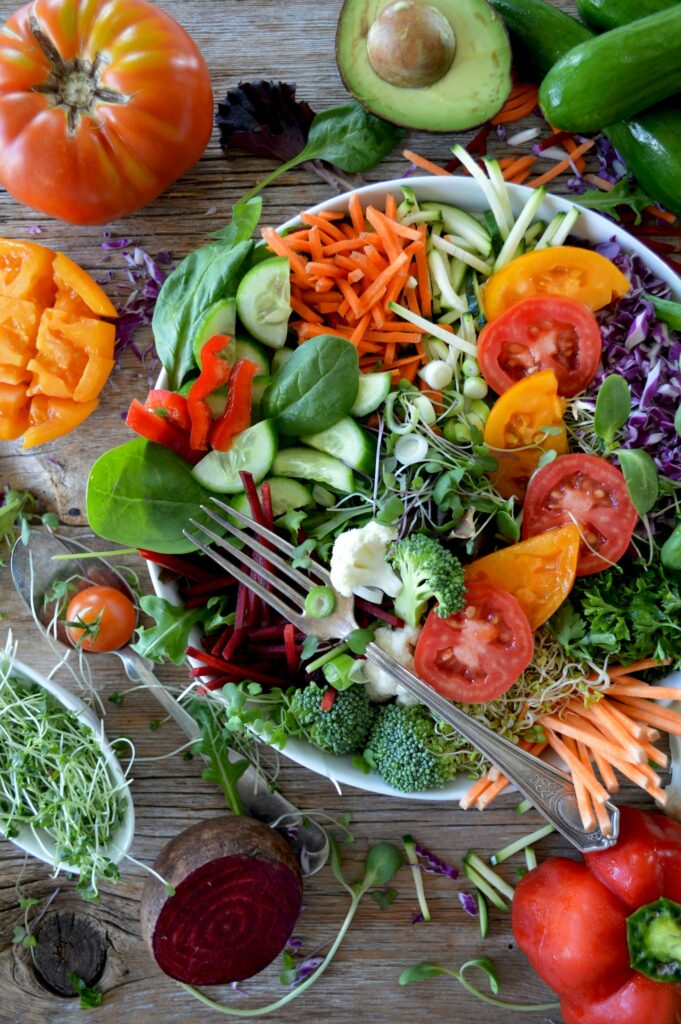
- Dark leafy greens (spinach, kale, arugula) rich in lutein and zeaxanthin
- Cruciferous vegetables (broccoli, Brussels sprouts) containing sulforaphane
- Purple vegetables (eggplant, purple cabbage) high in anthocyanins
- Orange and red vegetables (carrots, bell peppers) providing carotenoids
Anti-inflammatory fruits:
- Berries (blueberries, cherries, blackberries) loaded with anthocyanins
- Citrus fruits providing hesperidin and other flavonoids
- Pomegranates containing punicalagins
- Grapes and red wine (in moderation) with resveratrol
Healthy Fats and Oils
Not all fats promote inflammation. Certain fats actively reduce inflammatory markers while providing essential nutrients.
Anti-inflammatory fat sources:
- Extra virgin olive oil (rich in oleocanthal, which has ibuprofen-like properties)
- Avocados and avocado oil
- Nuts and seeds (walnuts, flaxseeds, chia seeds)
- Coconut oil (in moderation) containing lauric acid
Herbs and Spices: Nature’s Anti-Inflammatory Pharmacy
Many culinary herbs and spices contain concentrated anti-inflammatory compounds that can significantly impact inflammatory markers when used regularly.
Turmeric and Curcumin: Curcumin, turmeric’s active compound, inhibits multiple inflammatory pathways and can reduce CRP levels comparable to some pharmaceutical anti-inflammatory drugs. Combine with black pepper (piperine) to increase absorption by up to 2000%.
Ginger: Contains gingerols and shogaols that inhibit inflammatory enzymes and reduce pro-inflammatory cytokines. Fresh ginger provides the highest concentration of active compounds.
Garlic and Onions: Rich in organosulfur compounds that modulate inflammatory pathways and support immune function.
Creating Your Anti-Inflammatory Meal Plan
The Mediterranean-Style Foundation
The Mediterranean dietary pattern consistently shows the strongest evidence for reducing inflammation. This approach emphasizes whole foods, healthy fats, and minimal processing.
Daily structure:
- Base meals around vegetables, fruits, and whole grains
- Include healthy fats at each meal (olive oil, nuts, avocado)
- Incorporate fish 2-3 times per week
- Use herbs and spices liberally
- Limit processed foods and added sugars
Strategic Meal Timing
When you eat can influence inflammatory responses. Research suggests that eating larger meals earlier in the day and maintaining consistent meal timing can reduce inflammatory markers.
Anti-inflammatory timing strategies:
- Front-load calories earlier in the day
- Allow 12-14 hours between dinner and breakfast (intermittent fasting)
- Avoid late-night eating, which can disrupt circadian inflammatory rhythms
Hydration and Anti-Inflammatory Beverages
Green tea contains EGCG (epigallocatechin gallate), a powerful polyphenol that reduces inflammatory markers. Aim for 2-3 cups daily for optimal benefits.
Tart cherry juice provides anthocyanins and has been shown to reduce CRP and other inflammatory markers, particularly beneficial for exercise recovery.
Advanced Anti-Inflammatory Strategies
Targeted Supplementation
While whole foods should be your primary source of anti-inflammatory compounds, certain supplements can enhance your dietary efforts:
Omega-3 supplements: Look for high-quality fish oil or algae oil providing 1-2g combined EPA and DHA daily.
Curcumin with piperine: Choose formulations with enhanced bioavailability.
Quercetin: A flavonoid with anti-inflammatory and antioxidant properties, particularly beneficial during allergy season.
Cooking Methods That Preserve Anti-Inflammatory Properties
High-temperature cooking can create inflammatory compounds while destroying beneficial nutrients. Optimize your cooking methods:
Preferred cooking methods:
- Steaming and poaching
- Low-temperature roasting
- Sautéing in water or small amounts of olive oil
- Raw preparations when appropriate
Methods to minimize:
- Deep frying and high-temperature grilling
- Charring or burning foods
- Reheating oils to high temperatures
Common Anti-Inflammatory Diet Mistakes
All-or-Nothing Mentality
Many people attempt dramatic dietary overhauls that are unsustainable. Instead, focus on gradual improvements that you can maintain long-term. Even modest improvements in diet quality can significantly reduce inflammatory markers.
Ignoring Individual Responses
While general anti-inflammatory principles apply broadly, individual responses to foods can vary. Some people may be sensitive to nightshade vegetables or certain nuts, despite their general anti-inflammatory properties.
Focusing Only on Single Foods
No single “superfood” will resolve chronic inflammation. Success comes from the overall dietary pattern and the synergistic effects of multiple anti-inflammatory compounds working together.
Neglecting Food Quality
The source and quality of your foods matter. Conventionally raised meats may be higher in inflammatory omega-6 fats, while organic produce may contain higher levels of beneficial phytonutrients.
Monitoring Your Progress
Tracking Inflammatory Markers
While you may feel improvements in energy and well-being within weeks, objective measures can help track your progress:
Basic inflammatory markers:
- High-sensitivity C-reactive protein (hs-CRP)
- Erythrocyte sedimentation rate (ESR)
- Fasting glucose and HbA1c
Advanced markers:
- Omega-3 index
- Inflammatory cytokines (IL-6, TNF-α)
- Oxidative stress markers
Subjective Improvements to Monitor
Many people notice improvements in:
- Joint comfort and mobility
- Energy levels and mood
- Sleep quality
- Digestive comfort
- Skin appearance
- Exercise recovery time
Safety Considerations
Anti-inflammatory eating is generally safe for most people, but certain considerations apply:
Medication interactions: Omega-3 supplements and certain spices like turmeric can enhance the effects of blood-thinning medications. Consult your healthcare provider if you take anticoagulants.
Food allergies and sensitivities: Some anti-inflammatory foods may trigger reactions in sensitive individuals. Pay attention to your body’s responses and work with a qualified healthcare provider if you have known allergies.
Gradual implementation: Sudden increases in fiber-rich vegetables can cause digestive discomfort. Gradually increase your intake of plant foods to allow your digestive system to adapt.
Your 30-Day Anti-Inflammatory Implementation Plan
Week 1: Foundation Building
- Replace industrial seed oils with olive oil and avocado oil
- Add one serving of fatty fish and increase vegetable intake at each meal
- Incorporate turmeric and ginger into daily cooking
Week 2: Refinement Reduction
- Eliminate sugary beverages and replace with green tea or water with lemon
- Choose whole grain options over refined grains
- Add a handful of anti-inflammatory nuts or seeds daily
Week 3: Polyphenol Power
- Include berries or other colorful fruits at breakfast
- Experiment with new herbs and spices in your cooking
- Try one new anti-inflammatory vegetable each week
Week 4: Optimization and Personalization
- Fine-tune meal timing for your lifestyle
- Identify which anti-inflammatory foods make you feel best
- Plan sustainable long-term strategies
Key Takeaways
Anti-inflammatory eating isn’t about perfection or deprivation—it’s about making informed choices that support your body’s natural healing processes. The most powerful approach combines eliminating or reducing pro-inflammatory foods while actively including anti-inflammatory options.
Focus on the quality and variety of whole foods, emphasizing the colorful plant foods and healthy fats that provide the most anti-inflammatory bang for your buck. Remember that consistency trumps perfection, and even small improvements can yield significant health benefits over time.
Actionable Steps:
- Replace one pro-inflammatory cooking oil with extra virgin olive oil this week
- Add turmeric and black pepper to one meal daily
- Include one serving of fatty fish and increase your vegetable intake at each meal
- Experiment with green tea as your primary beverage choice
Disclaimer: This information is for educational purposes only and is not intended to replace professional medical advice. Individuals with chronic health conditions, food allergies, or those taking medications should consult with a qualified healthcare provider before making significant dietary changes.
This content discusses natural health topics for educational purposes only. Not intended as medical advice. Individual results vary significantly. Always consult healthcare professionals before making health decisions.