
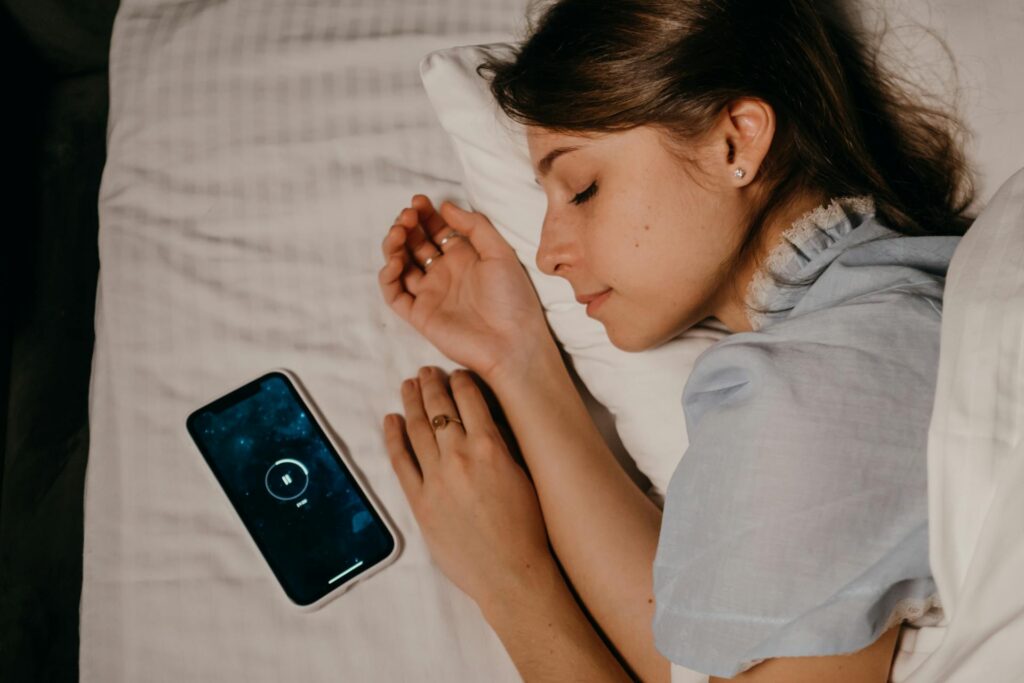
Sleep Tracking and Optimization: Using Data to Improve Your Rest Quality
Leestijd: 8-10 minuten | Categorie: SLEEP ENHANCEMENT
[Medical Disclaimer]Introduction: The Data-Driven Sleep Revolution
Sleep tracking has evolved from simple step counters to sophisticated systems that monitor heart rate variability, brain waves, and environmental factors. What was once the domain of sleep labs is now accessible through wearable devices and smartphone apps that provide unprecedented insights into your nightly rest patterns.
The promise is compelling: objective data about your sleep cycles, recovery metrics, and environmental factors that influence rest quality. But the reality is more complex. With dozens of devices claiming to optimize your sleep and countless metrics to interpret, many people find themselves overwhelmed by data without clear actionable insights.
The key to successful sleep optimization lies not in collecting more data, but in understanding which metrics matter most, how to interpret trends rather than daily fluctuations, and how to translate insights into sustainable improvements. When done correctly, sleep tracking becomes a powerful tool for identifying patterns and building better sleep habits based on objective feedback.
The Science Behind Sleep Tracking Technology
How Wearable Devices Monitor Sleep
Modern sleep tracking relies on multiple sensors working together:
Accelerometry: Motion sensors detect movement patterns that correlate with sleep stages. Deep sleep involves minimal movement, while REM sleep shows characteristic micro-movements.
Heart Rate Monitoring: Optical sensors track heart rate patterns that change predictably across sleep stages. Heart rate typically decreases during deep sleep and becomes more variable during REM sleep.
Heart Rate Variability (HRV): Indicates autonomic nervous system recovery and stress resilience during sleep.
Respiratory Rate: Advanced devices detect breathing patterns through chest movement. Respiratory rate decreases and becomes more regular during deep sleep stages.
Skin Temperature: Core body temperature drops during sleep onset. Skin temperature sensors detect these thermal patterns and sleep-wake transitions.
Understanding Sleep Stage Detection
Most consumer devices identify four main categories:
Awake Time: Periods of movement or elevated heart rate during the night. Brief awakenings are normal, but frequent wake periods indicate fragmented sleep.
Light Sleep: Transitional stages accounting for 50-60% of total sleep time, serving important functions in memory consolidation.
Deep Sleep: Slow-wave sleep characterized by minimal movement and physical recovery processes. Adults typically need 15-20% of sleep time in deep sleep.
REM Sleep: Associated with vivid dreams and memory consolidation. REM typically accounts for 20-25% of sleep time and increases toward morning.
Accuracy and Limitations
Research comparing consumer wearables to clinical sleep studies reveals:
Overall Sleep Time: Most devices achieve 85-95% accuracy for total sleep duration, making them reliable for tracking quantity trends.
Sleep Stage Accuracy: Stage-by-stage accuracy varies significantly, typically 60-80% compared to clinical measurements. Individual night comparisons may be inaccurate, but multi-day trends are more reliable.
The key insight is that consumer sleep trackers excel at identifying patterns over time but shouldn’t be treated as medical-grade diagnostic tools for individual nights.
Key Metrics and What They Actually Mean
Sleep Duration and Timing
Total Sleep Time: Adults generally need 7-9 hours, but individual requirements vary. Track your average over weeks rather than obsessing over single nights.
Sleep Efficiency: The percentage of time in bed actually spent sleeping. Healthy adults typically achieve 85-95% efficiency.
Bedtime Consistency: Regular sleep and wake times support circadian rhythm stability. Most devices track this automatically.
Sleep Onset Time: How long it takes to fall asleep. Consistently taking longer than 20-30 minutes may indicate sleep onset difficulties.
Recovery and Physiological Metrics
Heart Rate Variability (HRV): Higher HRV during sleep generally indicates better autonomic nervous system recovery. HRV naturally decreases with age, illness, overtraining, alcohol consumption, and stress.
Resting Heart Rate: Your lowest heart rate during sleep, typically occurring during deep sleep stages. Trends can indicate fitness changes, illness onset, or stress levels.
Respiratory Rate: Normal sleeping respiratory rate ranges from 12-20 breaths per minute. Consistent elevations may indicate stress, illness, or sleep-disordered breathing.
Sleep Architecture Metrics
Deep Sleep Percentage: Consistently low deep sleep (less than 10-15%) may indicate stress, poor sleep environment, or lifestyle factors affecting recovery.
REM Sleep Percentage: REM typically increases in the latter part of the night. Alcohol, certain medications, and stress can suppress REM sleep.
Sleep Fragmentation: Frequent brief awakenings that may not be consciously remembered but affect sleep quality and daytime alertness.
Choosing the Right Sleep Tracking System
Wearable Devices
Fitness Trackers (Fitbit, Garmin):
- Pros: Long battery life, comprehensive health tracking, established ecosystems
- Cons: May be bulky for sleep wear, limited advanced metrics
- Best For: Users wanting all-in-one health tracking
Smartwatches (Apple Watch, Samsung Galaxy Watch):
- Pros: Advanced sensors, smartphone integration, comprehensive apps
- Cons: Daily charging required, potentially bulky for sensitive sleepers
- Best For: Tech-savvy users who want detailed data
Dedicated Sleep Wearables (Oura Ring, WHOOP):
- Pros: Optimized specifically for sleep tracking, advanced metrics, comfortable for sleep
- Cons: Subscription costs, limited functionality beyond health tracking
- Best For: Serious sleep optimization enthusiasts
Non-Wearable Options
Smartphone Apps:
- Pros: No additional hardware, often free, basic sleep tracking
- Cons: Limited sensor capabilities, requires phone placement near bed
- Best For: Beginners wanting to experiment without investment
Smart Mattresses and Sleep Systems:
- Pros: No wearables required, room environment tracking
- Cons: High cost, limited portability
- Best For: Users wanting comprehensive bedroom optimization without wearing devices
Interpreting Sleep Data Effectively
Focus on Trends, Not Individual Nights
Sleep naturally varies from night to night based on stress, activity, food, alcohol, and environmental factors. A single “bad” night doesn’t indicate a sleep problem.
Weekly Averages: Look at 7-day rolling averages for sleep duration, efficiency, and timing consistency.
Monthly Patterns: Identify longer-term trends that might correlate with life changes, seasonal shifts, or health modifications.
Correlation Analysis: Most devices highlight correlations between sleep metrics and lifestyle factors like exercise, caffeine intake, or stress levels.
Understanding Normal Variations
Age-Related Changes: Deep sleep naturally decreases with age, while light sleep increases.
Individual Baselines: Your optimal sleep metrics may differ significantly from population averages. Establish your personal baseline over several weeks.
Seasonal Variations: Light exposure, temperature, and activity levels change seasonally, affecting sleep patterns predictably.
Red Flags Worth Investigating
Consistently Low Sleep Efficiency: Below 80% efficiency for multiple weeks may indicate sleep disorders or environmental issues.
Dramatic HRV Declines: Sudden, sustained drops can indicate overtraining, illness onset, or increased stress levels.
Respiratory Rate Changes: Consistent elevations might suggest sleep-disordered breathing or other health issues.
Sleep Timing Inconsistency: Highly variable bedtimes and wake times can indicate circadian rhythm disorders.
Actionable Insights from Sleep Data
Environmental Optimization
Temperature Correlation: Most people sleep best in cooler environments (65-68°F). Track how temperature variations affect your deep sleep percentage.
Light Exposure: Monitor how evening light exposure and morning light timing affect sleep onset and wake quality.
Noise Impact: Identify noise sources that fragment your sleep, even if you don’t consciously remember waking.
Lifestyle Factor Analysis
Exercise Timing: Determine how workout timing affects your sleep onset, sleep efficiency, and recovery metrics.
Nutrition Impact: Track how meal timing, alcohol consumption, and caffeine intake correlate with sleep metrics. Most people see improved deep sleep with earlier dinners and reduced alcohol.
Stress Management: Use HRV trends and sleep fragmentation patterns to identify when stress management interventions are most needed.
Screen Time Effects: Monitor how evening screen exposure correlates with sleep onset time and overall sleep quality.
Recovery Optimization
Training Load Balance: Use sleep quality metrics to inform exercise intensity and recovery needs. Poor HRV or elevated resting heart rate might indicate need for lighter training.
Illness Detection: Many users report their trackers detect illness onset before symptoms appear, through changes in HRV, resting heart rate, or body temperature.
Intervention Testing: Use your tracker as a feedback system when testing new sleep interventions like supplements, bedroom changes, or routine modifications.
Advanced Sleep Optimization Strategies
Personalized Sleep Scheduling
Chronotype Detection: Track natural sleep and wake preferences when schedules are flexible to identify whether you’re naturally a morning lark or night owl.
Optimal Sleep Duration: Use weeks of data to identify your personal optimal duration for best next-day performance.
Nap Timing: If you nap, monitor how nap duration and timing affect nighttime sleep architecture and overall recovery metrics.
Heart Rate Variability Optimization
HRV often provides the most actionable sleep insights:
Stress Response: Use declining HRV trends to identify when stress management interventions are most needed.
Recovery Guidance: Higher HRV often correlates with better recovery and readiness for physical or mental challenges.
Lifestyle Experiments: Test how different interventions (meditation, specific foods, supplements, exercise timing) affect your HRV patterns.
Common Pitfalls and How to Avoid Them
Data Obsession and Sleep Anxiety
Orthosomnia: The condition of becoming so focused on achieving “perfect” sleep metrics that anxiety about sleep data interferes with actual sleep.
Solution: Check data in the morning, not before bed. Focus on weekly trends rather than nightly variations. Remember that subjective sleep quality matters more than perfect metrics.
Overinterpreting Short-Term Data
Individual Night Fixation: Making major changes based on single nights of data rather than patterns.
Solution: Wait for at least a week of consistent patterns before adjusting routines. Use monthly reviews for significant changes.
Ignoring Subjective Experience
Metric-Only Focus: Trusting device data over how you actually feel upon waking and throughout the day.
Solution: Combine objective data with subjective sleep quality ratings. How you feel is ultimately more important than perfect metrics.
Privacy and Healthcare Considerations
Data Security
Sleep trackers collect intimate information about your daily routines and health status. Review privacy settings regularly and understand which companies have access to your sleep data.
When to Consult Professionals
Persistent Issues: If tracking reveals consistent problems (low efficiency, frequent awakenings, abnormal metrics), consult a sleep specialist.
Medical Correlation: Share relevant data with doctors if you’re experiencing daytime fatigue or cognitive issues that might relate to sleep quality.
Trend Reports: Prepare weekly and monthly summaries rather than daily data for medical consultations.
Conclusion: Making Sleep Tracking Work for You
Sleep tracking technology offers unprecedented insights into one of the most important aspects of health and performance. When used wisely, objective sleep data can identify patterns invisible to conscious awareness, guide optimization efforts, and provide motivation for building better sleep habits.
The key to successful sleep tracking lies in approaching it as a tool for understanding trends and testing interventions rather than achieving perfect nightly metrics. Your sleep naturally varies, and the goal isn’t to eliminate this variation but to optimize overall patterns while maintaining a healthy relationship with both technology and rest.
Implementation Strategy:
- Choose tracking technology based on your comfort level, budget, and specific optimization goals
- Establish baseline patterns over 2-4 weeks before making major changes based on data
- Focus on trends and weekly averages rather than individual night variations
- Combine objective data with subjective sleep quality ratings and daytime performance
- Test one intervention at a time and allow adequate time to assess effects through data
- Maintain perspective by taking occasional breaks from tracking and prioritizing actual sleep quality over perfect metrics
- Consult professionals if data reveals consistent concerning patterns or fails to correlate with symptoms
Remember that the ultimate goal of sleep tracking is better sleep, not better data. Use technology as a guide and motivation tool, but never let the pursuit of perfect sleep metrics interfere with the natural, restorative process of sleep itself. When balanced properly, sleep tracking becomes a powerful ally in optimizing one of the most fundamental aspects of health, performance, and well-being.
Disclaimer: This information is for educational purposes only and is not intended as medical advice. Sleep tracking devices are not medical diagnostic tools. Individuals with persistent sleep problems should consult qualified healthcare providers.
This content discusses natural health topics for educational purposes only. Not intended as medical advice. Individual results vary significantly. Always consult healthcare professionals before making health decisions.