
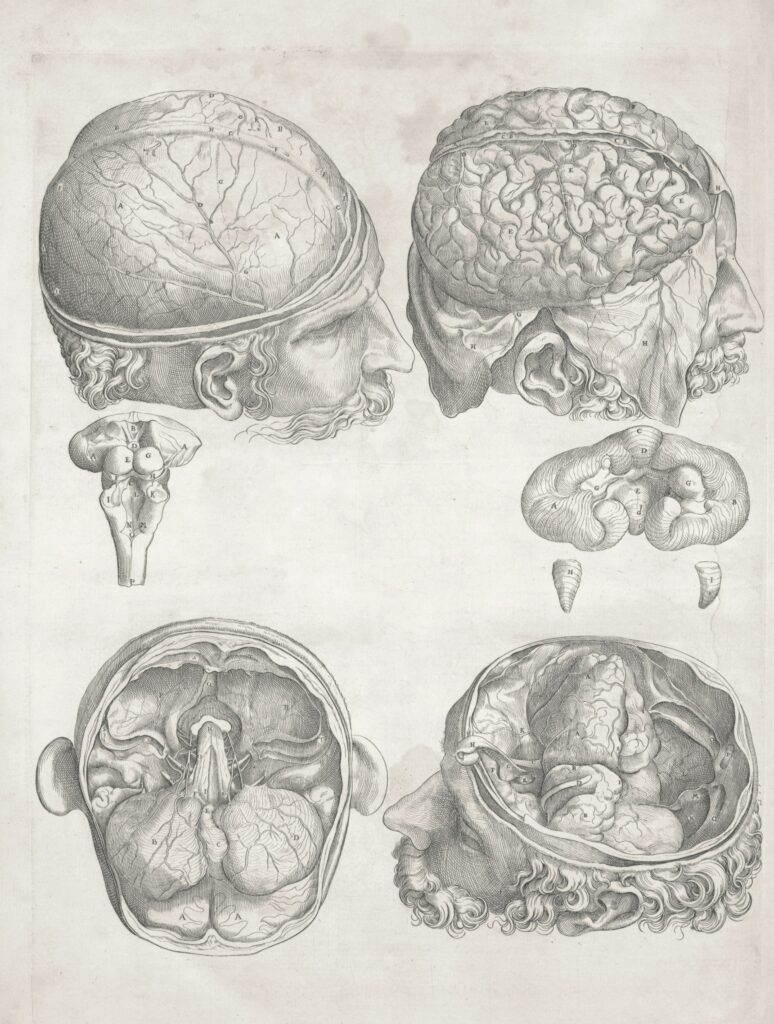
Introduction: The Science of Superior Memory
Your memory isn’t fixed—it’s a trainable skill that can be dramatically enhanced through evidence-based techniques used by memory champions and cognitive scientists. Research from neuroscience laboratories reveals that memory athletes don’t possess superior brains; they simply use specific strategies that leverage your brain’s natural architecture for optimal information storage and retrieval.
[Medical Disclaimer]Memory champion Joshua Foer demonstrated this principle by going from average memory to winning the U.S. Memory Championship in just one year using classical techniques. Meanwhile, studies of London taxi drivers show that intensive memory training literally changes brain structure, increasing gray matter in regions associated with spatial memory and navigation.
The key insight: memory isn’t about raw capacity but about organization, association, and strategic encoding. Your brain can store virtually unlimited information when you provide it with the right frameworks and retrieval cues.
This comprehensive guide explores the neuroscience of memory formation, proven enhancement techniques, and practical systems for dramatically improving your ability to learn, remember, and recall information across all areas of life.
Understanding Your Memory Systems
Types of Memory
Sensory Memory:
- Duration: 0.25-2 seconds
- Function: Brief retention of sensory information
- Capacity: Large but rapidly decays
- Enhancement: Attention and selective filtering
Short-Term/Working Memory:
- Duration: 15-30 seconds without rehearsal
- Capacity: 7±2 items (Miller’s Magic Number)
- Function: Active manipulation of information
- Enhancement: Chunking and rehearsal strategies
Long-Term Memory:
- Duration: Potentially permanent
- Capacity: Virtually unlimited
- Types: Declarative (explicit) and procedural (implicit)
- Enhancement: Meaningful associations and spaced repetition
Declarative Memory Subsystems
Semantic Memory:
- Facts, concepts, and general knowledge
- Context-independent information
- Enhanced through elaborative encoding
- Examples: Vocabulary, historical facts, scientific principles
Episodic Memory:
- Personal experiences and events
- Context-dependent with spatial/temporal tags
- Enhanced through vivid visualization and emotional connections
- Examples: Where you were when something happened, personal experiences
The Neuroscience of Memory Formation
Memory Consolidation Process
Encoding Phase: Information converts from temporary electrical activity into stable structural changes in synaptic connections.
Storage Phase: Memories integrate into existing knowledge networks through protein synthesis and neural pathway strengthening.
Retrieval Phase: Accessing stored information reactivates original neural networks and can modify the memory through reconsolidation.
Key Brain Structures
Hippocampus:
- Critical for new memory formation
- Processes spatial and contextual information
- Gradually transfers memories to cortex for long-term storage
Prefrontal Cortex:
- Working memory maintenance and manipulation
- Strategic control of encoding and retrieval processes
- Integration with existing knowledge structures
Amygdala:
- Emotional memory enhancement
- Stress hormone release affecting consolidation
- Creates vivid memories for emotionally significant events
The Method of Loci: Ancient Technique, Modern Science
Historical Foundation
Greek and Roman orators used spatial memory techniques to deliver hours-long speeches without notes. This “memory palace” method leverages your brain’s exceptional spatial processing capabilities.
How It Works:
- Choose familiar location: Your home, workplace, or regular route
- Create specific pathway: Establish consistent route through space
- Assign information to locations: Place items at specific spots
- Use vivid imagery: Make information memorable and distinctive
- Practice retrieval: Mentally walk through space to recall items
Scientific Validation
Neuroimaging Studies: Brain scans show memory palace users activate spatial processing regions (hippocampus, parahippocampal cortex) even when memorizing abstract information.
Performance Research: Studies demonstrate 2-3x improvement in recall when using spatial techniques compared to rote memorization, with benefits lasting months after training.
Practical Implementation
Building Your First Memory Palace:
Step 1: Location Selection
- Choose highly familiar environment
- Ensure clear, consistent pathway
- Include 10-20 distinct locations initially
- Avoid cluttered or confusing spaces
Step 2: Route Establishment
- Create logical, consistent path
- Always travel same direction
- Mark specific stopping points
- Practice pathway until automatic
Step 3: Information Placement
- Convert abstract information into vivid images
- Place images at specific locations
- Use bizarre, exaggerated, or humorous associations
- Engage multiple senses in visualizations
Example: Grocery Shopping List
- Front door: Giant milk jug blocking entrance
- Living room couch: Loaf of bread sitting like a person
- Kitchen table: Dozen eggs doing synchronized swimming
- Refrigerator: Bananas performing yellow music concert
Spaced Repetition: Optimizing Review Timing
The Forgetting Curve
Hermann Ebbinghaus discovered that forgetting follows predictable patterns: we lose approximately 50% of new information within 24 hours without reinforcement.
Forgetting Curve Characteristics:
- Rapid initial decline (first hour)
- Gradual leveling off over time
- Individual variation based on material difficulty
- Reset with each successful retrieval
Optimal Spacing Intervals
Research-Based Schedule:
- Day 1: Initial learning
- Day 2: First review (24 hours)
- Day 7: Second review (1 week)
- Day 30: Third review (1 month)
- Day 90: Fourth review (3 months)
- Day 365: Fifth review (1 year)
Adaptive Spacing: Modern spaced repetition systems adjust intervals based on retrieval success:
- Easy recall: Longer intervals
- Difficult recall: Shorter intervals
- Failed retrieval: Reset to initial interval
Digital Implementation
Effective SRS Apps:
- Anki: Highly customizable, research-based algorithms
- SuperMemo: Original SRS software with advanced scheduling
- Quizlet: User-friendly with social features
- RemNote: Combines note-taking with spaced repetition
Optimization Strategies:
- Active recall: Test knowledge rather than passive review
- Minimum information principle: Break complex concepts into simple facts
- Cloze deletion: Fill-in-the-blank format for better engagement
- Image integration: Visual elements enhance memory formation
Visualization and Association Techniques
The Picture Superiority Effect
Visual information is remembered significantly better than verbal information, with images processed 60,000 times faster than text.
Creating Memorable Images:
- Exaggeration: Make images unusually large, small, or numerous
- Action: Show movement, interaction, or transformation
- Emotion: Include feelings, reactions, or relationships
- Humor: Funny or absurd images stick in memory
- Personal relevance: Connect to your experiences or interests
The Link Method
Sequential Association System:
- Convert information to images: Make abstract concepts visual
- Create story chains: Link images through narrative
- Use bizarre connections: Unusual associations are more memorable
- Practice forward and backward: Strengthen bidirectional links
Example: Remembering Presidents Washington (washing machine) → Adams (atom) → Jefferson (cheferson cooking) → Madison (mad son angry) → Monroe (money row)
The Peg System
Number-Image Associations: Pre-memorized number-image pairs serve as “pegs” for hanging new information.
Common Peg Systems:
- Rhyming: 1=gun, 2=shoe, 3=tree, 4=door, 5=hive
- Shape: 1=candle, 2=swan, 3=handcuffs, 4=sailboat
- Phonetic: Advanced system using consonant sounds
Usage Process:
- Learn peg images thoroughly: Until automatic
- Associate new information: Link to appropriate peg
- Create vivid interactions: Between peg and target information
- Practice retrieval: Access through number sequence
Advanced Memory Strategies
The Major System
Phonetic Number Encoding: Converts numbers into words for easier memorization by assigning consonant sounds to digits.
Number-Sound Assignments:
- 0 = s, z (zero)
- 1 = t, d (one downstroke)
- 2 = n (two downstrokes)
- 3 = m (three downstrokes)
- 4 = r (fouR)
- 5 = l (L is 50 in Roman)
- 6 = j, sh, ch (J looks like 6)
- 7 = k, g (K contains two 7s)
- 8 = f, v (F looks like 8)
- 9 = p, b (P looks like 9)
Application Example: Phone number 2847 becomes “nerve” (N-R-V), easier to remember than digits.
Memory Competitions Techniques
Names and Faces:
- Analyze facial features: Find distinctive characteristics
- Create name associations: Convert names to meaningful images
- Link face to name: Associate facial feature with name image
- Practice recognition: Test recall in various contexts
Speed Cards:
- Person-Action-Object system: Each card represents story element
- Loci placement: Distribute stories throughout memory palace
- Rapid encoding: Practice converting cards to images quickly
- Sequential recall: Practice retrieving entire deck in order
Academic Applications
Language Learning:
- Keyword method: Link foreign words to similar-sounding native words
- Spaced repetition: Optimize vocabulary retention
- Context association: Learn words in meaningful sentences
- Cultural connections: Associate with cultural knowledge
Scientific Information:
- Acronym creation: ROYGBIV for rainbow colors
- Process visualization: See chemical reactions or biological processes
- Formula encoding: Convert mathematical formulas to memorable images
- Concept mapping: Visual representation of relationships
Optimizing Memory Through Lifestyle
Sleep and Memory Consolidation
Sleep Stages and Memory:
- NREM Stage 2: Declarative memory consolidation
- Slow-wave sleep: Integration into long-term storage
- REM sleep: Creative connections and emotional processing
Sleep Optimization:
- Consistent schedule: Regular sleep-wake times
- Adequate duration: 7-9 hours for most adults
- Pre-sleep review: Light review of material before bed
- Avoid screens: Blue light disrupts consolidation
Exercise and Cognitive Function
Exercise Benefits for Memory:
- BDNF production: Brain-derived neurotrophic factor enhances neuroplasticity
- Hippocampal neurogenesis: New neuron formation in memory centers
- Vascular health: Improved blood flow to brain regions
- Stress reduction: Lower cortisol levels protect memory formation
Optimal Exercise Protocol:
- Aerobic exercise: 150 minutes moderate or 75 minutes vigorous weekly
- Timing: Exercise before learning sessions enhances encoding
- Intensity: Moderate intensity optimal for cognitive benefits
- Consistency: Regular exercise more important than occasional intense sessions
Nutrition for Memory Enhancement
Brain-Supporting Nutrients:
- Omega-3 fatty acids: DHA for brain structure and function
- Antioxidants: Blueberries, dark chocolate, green tea
- B vitamins: Folate, B6, B12 for neurotransmitter production
- Choline: Eggs, fish for acetylcholine synthesis
Hydration Impact:
- Cognitive performance: Even mild dehydration impairs memory
- Optimal intake: 8-10 glasses water daily
- Timing: Consistent hydration throughout day
- Quality: Clean, filtered water preferred
Stress Management
Stress and Memory Relationship:
- Acute stress: Can enhance memory formation initially
- Chronic stress: Damages hippocampus and impairs consolidation
- Cortisol effects: High levels interfere with retrieval
- Optimal arousal: Moderate stress levels enhance performance
Stress Reduction Techniques:
- Meditation: 10-20 minutes daily improves working memory
- Deep breathing: Activates parasympathetic nervous system
- Progressive relaxation: Reduces physical tension and mental stress
- Time management: Reduces anxiety about forgetting important information
Practical Memory Training Program
Week 1-2: Foundation Building
- Method of Loci: Create first memory palace with 10 locations
- Basic visualization: Practice converting words to vivid images
- Number system: Learn basic peg system (1-10)
- Daily practice: 15-20 minutes focused training
Week 3-4: Skill Development
- Expand palace: Add 10 more locations to memory palace
- Link method: Practice creating story chains
- Spaced repetition: Begin using SRS app for vocabulary or facts
- Real-world application: Apply techniques to practical information
Week 5-8: Advanced Integration
- Multiple palaces: Create specialized palaces for different subjects
- Speed training: Practice rapid encoding and recall
- Complex information: Apply to challenging academic or professional material
- Performance tracking: Monitor improvement metrics
Week 9-12: Mastery and Maintenance
- Advanced techniques: Major system or competition methods
- Transfer testing: Apply to completely new domains
- Teaching others: Explain techniques to reinforce understanding
- Long-term maintenance: Establish sustainable practice routine
Troubleshooting Common Challenges
Information Overload
Problem: Too much information to process effectively Solution: Break into smaller chunks, prioritize by importance, use hierarchical organization
Interference Issues
Problem: Similar information confuses memory systems Solution: Create distinct encoding contexts, use contrasting imagery, separate practice sessions
Motivation Decline
Problem: Initial enthusiasm fades with practice Solution: Track progress metrics, gamify practice sessions, join memory training communities
Transfer Difficulties
Problem: Techniques work in practice but not real-world situations Solution: Practice with authentic materials, vary contexts, test under realistic conditions
Measuring Your Progress
Quantitative Assessments
- Digit span: Number of digits recalled in sequence
- Word lists: Items recalled from 20-50 word lists
- Names and faces: Accuracy with new people met
- Academic performance: Grades or test scores improvement
Qualitative Improvements
- Confidence: Reduced anxiety about forgetting
- Efficiency: Less time needed for memorization
- Retention: Information remembered for longer periods
- Application: Using memory skills spontaneously in daily life
Conclusion: Your Memory Transformation Journey
Memory enhancement isn’t about becoming a human computer—it’s about developing cognitive tools that make learning more efficient, reduce stress about forgetting, and enable you to master any subject more effectively.
Key Implementation Principles:
- Start simple: Master basic techniques before advancing
- Practice regularly: Consistency beats intensity for skill development
- Apply practically: Use techniques with real information you need to remember
- Be patient: Significant improvement takes weeks to months of practice
The techniques presented here represent thousands of years of human knowledge about memory optimization, validated by modern neuroscience research. Memory champions aren’t born with superior brains—they simply use these proven strategies consistently.
Begin with the method of loci and spaced repetition, as these provide the foundation for all advanced techniques. Create your first memory palace this week, start a spaced repetition routine, and practice converting information into vivid mental images.
Your memory is not fixed—it’s a skill that improves with proper training. By investing time in memory enhancement techniques, you’re not just improving recall; you’re developing cognitive tools that will serve you throughout life, making learning more efficient and enjoyable.
Remember: the best memory system is the one you actually use consistently. Start simple, practice regularly, and watch your memory capabilities transform over the coming months.
This article is for educational purposes only. Individuals with memory disorders or cognitive impairments should consult healthcare professionals for appropriate assessment and treatment.
This content discusses natural health topics for educational purposes only. Not intended as medical advice. Individual results vary significantly. Always consult healthcare professionals before making health decisions.