
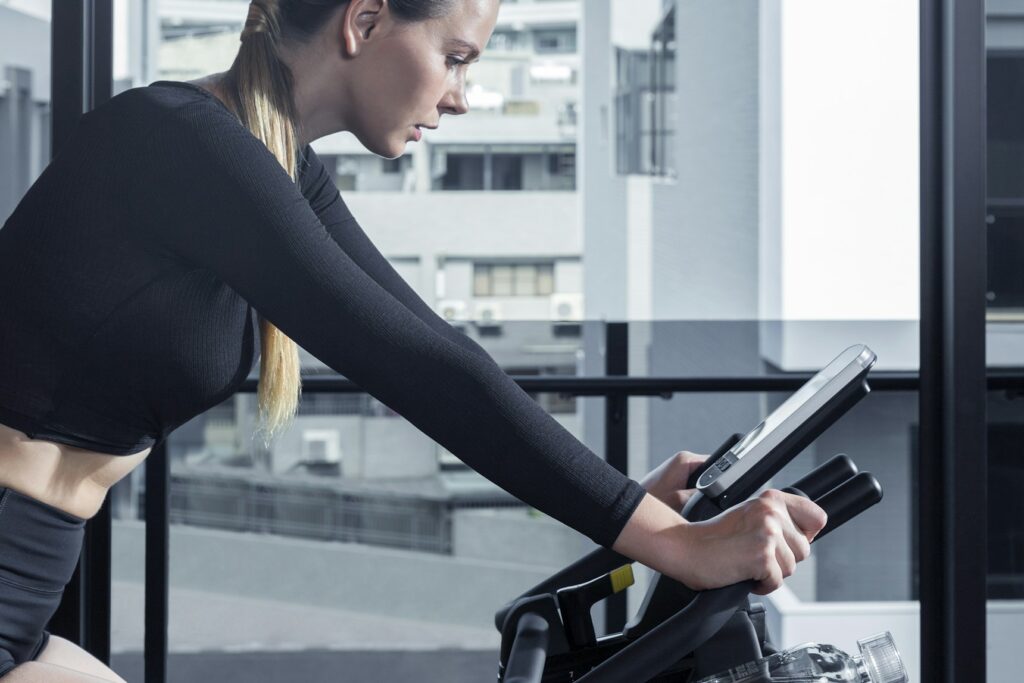
Smart Recovery and Performance Optimization
Advanced Recovery Technologies
Modern wellness tech focuses heavily on recovery optimization, recognizing that adaptation happens during rest, not just exercise:
[Medical Disclaimer]Intelligent recovery systems:
- Sleep optimization platforms analyze sleep stages and adjust bedroom environment automatically
- HRV-guided training systems prevent overtraining by monitoring nervous system recovery
- Compression therapy devices provide automated lymphatic drainage based on workout intensity
- Red light therapy panels accelerate muscle repair and reduce inflammation markers
Performance tracking integration:
- Strain and recovery balance prevents burnout while maximizing training gains
- Real-time biomarker monitoring identifies optimal training windows
- Recovery prediction algorithms suggest ideal rest periods between intense sessions
- Personalized recovery protocols adapt based on age, fitness level, and stress markers
Biometric Optimization Tools
Advanced sensors now monitor dozens of health markers to optimize performance:
Continuous monitoring capabilities:
- Lactate threshold tracking during exercise prevents ineffective training zones
- Core body temperature monitoring optimizes heat acclimatization and prevents overheating
- Hydration status assessment through bioimpedance prevents performance-limiting dehydration
- Muscle oxygenation monitoring guides intensity levels for different training goals
Real-world applications:
- Endurance athletes prevent hitting “the wall” through glucose and electrolyte monitoring
- Strength trainees optimize rest periods between sets using real-time recovery data
- Yoga practitioners use stress markers to guide meditation and breathing practices
- Rehabilitation patients receive immediate feedback on movement quality and safety
AI-Powered Nutrition and Metabolic Health
Personalized Nutrition Science
Technology now provides individualized nutrition recommendations based on real-time metabolic data:
Metabolic monitoring systems:
- Continuous glucose monitors optimize meal timing for non-diabetics seeking metabolic health
- Breath analysis devices measure ketone production for those following ketogenic diets
- Smart scales analyze body composition changes in response to dietary modifications
- Genetic testing guides macronutrient ratios based on individual metabolic variants
Smart kitchen integration:
- AI meal planning considers personal health goals, food preferences, and metabolic responses
- Smart appliances adjust cooking methods to preserve maximum nutritional value
- Portion control devices provide precise serving sizes based on individual caloric needs
- Supplement dispensers provide personalized daily nutrients based on biomarker analysis
Digestive Health Optimization
Gut health technology reveals the crucial connection between microbiome and overall wellness:
Microbiome analysis:
- At-home testing identifies beneficial and harmful bacterial populations
- Personalized probiotic recommendations based on individual gut ecosystem needs
- Food sensitivity identification through microbiome and immune response analysis
- Digestive health tracking correlates symptoms with dietary choices and lifestyle factors
Interventions based on gut health:
- Mental health support through targeted microbiome interventions
- Immune system optimization via gut bacteria diversity enhancement
- Athletic performance improvement through digestive efficiency optimization
- Chronic inflammation reduction protocols based on gut health status
Mental Wellness and Cognitive Enhancement
Stress Management Technologies
Advanced systems address the mental health crisis through innovative technological approaches:
Real-time stress intervention:
- Wearable devices detect stress patterns and trigger immediate relaxation protocols
- Breathing guidance apps synchronize with heart rate variability for optimal calm
- Environmental sensors identify stress-inducing factors like noise, light, or air quality
- Social stress detection through communication pattern analysis and mood tracking
Cognitive enhancement tools:
- Brain training apps with neurofeedback improve focus and memory
- Meditation platforms use EEG monitoring to optimize mindfulness practice
- Light therapy systems regulate circadian rhythms for better mood and cognitive function
- Sound therapy creates personalized audio environments for stress reduction and focus
Emotional Intelligence Development
Technology helps users develop better emotional awareness and regulation:
Emotional monitoring systems:
- Voice pattern analysis identifies mood changes and emotional states
- Facial expression recognition provides feedback on emotional regulation
- Sleep pattern correlation with mood helps identify emotional triggers
- Social interaction quality assessment through communication analysis
Behavioral change support:
- Habit formation apps use behavioral psychology principles for lasting change
- Social accountability features connect users with similar wellness goals
- Progress visualization helps maintain motivation during challenging periods
- Personalized coaching adapts to individual personality types and preferences
Movement and Exercise Innovation
Smart Training Systems
Modern fitness technology creates truly personalized workout experiences:
AI personal training:
- Computer vision technology corrects exercise form through smartphone cameras
- Adaptive workout plans adjust intensity based on recovery metrics and progress
- Injury prevention through movement pattern analysis and biomechanical feedback
- Performance prediction models optimize training for specific goals and timelines
Home gym evolution:
- Smart mirrors provide interactive workouts with real-time form correction
- Connected weights automatically adjust resistance based on strength gains
- Virtual reality fitness creates immersive workout experiences that maintain engagement
- Compact equipment with maximum versatility optimizes space-constrained home gyms
Outdoor Activity Enhancement
Technology enhances outdoor exercise experiences and safety:
Activity optimization:
- Weather integration suggests optimal outdoor activity timing
- Air quality monitoring guides exercise location and intensity decisions
- UV exposure tracking balances vitamin D synthesis with skin protection
- Route optimization considers terrain, safety, and personal fitness goals
Safety and navigation:
- GPS tracking with emergency features for solo outdoor activities
- Fall detection and automatic emergency contact for high-risk activities
- Group coordination tools for team sports and group fitness activities
- Performance analysis specific to outdoor activities like hiking, cycling, and running
Preventive Health and Early Detection
Health Screening Technology
Advanced monitoring identifies health issues before symptoms appear:
Early detection systems:
- Skin analysis apps detect potential skin cancer through smartphone cameras
- Heart rhythm monitoring identifies atrial fibrillation and other cardiac irregularities
- Voice analysis detects early signs of cognitive decline and neurological conditions
- Eye tracking technology identifies concussions and neurological changes
Chronic disease prevention:
- Diabetes risk assessment through continuous glucose trend monitoring
- Cardiovascular health prediction through multiple biomarker integration
- Bone health monitoring through activity analysis and nutritional tracking
- Cancer risk reduction through lifestyle modification recommendations
Longevity and Healthy Aging
Technology supports healthy aging and lifespan extension:
Biological age assessment:
- Epigenetic testing provides more accurate aging measurements than chronological age
- Cellular health markers guide interventions before functional decline
- Cognitive aging assessment enables proactive brain health strategies
- Hormonal optimization based on individual aging patterns and symptoms
Longevity protocols:
- Personalized exercise programs that maintain function while minimizing injury risk
- Nutrition optimization for healthy aging based on changing metabolic needs
- Social connection maintenance for psychological wellbeing in later life
- Sleep optimization adapts to age-related changes in sleep architecture
Healthcare Integration and Telemedicine
Remote Health Monitoring
Technology enables professional healthcare oversight outside clinical settings:
Clinical-grade home monitoring:
- Blood pressure monitoring with automatic sharing to healthcare providers
- Medication adherence tracking with provider alerts for missed doses
- Symptom tracking for chronic conditions with trend analysis and predictions
- Emergency response systems that contact appropriate medical professionals automatically
Telehealth enhancement:
- Remote diagnostic tools enable comprehensive virtual consultations
- Real-time health data sharing provides doctors with continuous patient insights
- AI-powered triage determines appropriate level of care needed
- Chronic disease management programs reduce hospital visits while improving outcomes
Personalized Medicine Integration
Wellness technology bridges the gap between consumer health and clinical care:
Data integration benefits:
- Comprehensive health profiles inform clinical decision-making
- Lifestyle factor correlation with health outcomes guides treatment approaches
- Medication effectiveness tracking through biomarker monitoring
- Treatment adherence support through technology-enabled coaching
Privacy and Data Security in Wellness Tech
Advanced Protection Measures
As wellness technology becomes more sophisticated, protecting personal health data becomes crucial:
Security innovations:
- Homomorphic encryption enables data analysis without exposing personal information
- Blockchain-based systems provide secure, patient-controlled health records
- Federated learning improves AI while keeping data decentralized
- Zero-knowledge protocols verify identity without sharing sensitive details
User control features:
- Granular permission systems allow precise control over data sharing
- Automatic data deletion options provide control over information retention
- Data portability ensures users can switch platforms without losing information
- Transparency dashboards show exactly how personal data is being used
Implementation Strategy: Building Your Wellness Tech Stack
Strategic Technology Adoption
Success requires careful selection and gradual integration of technologies:
Phase 1: Foundation Building (Months 1-3)
- Choose one comprehensive monitoring device that tracks your priority health metrics
- Select evidence-based apps with clinical validation and strong privacy practices
- Establish baseline measurements across key health indicators
- Focus on consistency rather than perfection in data collection
Phase 2: Integration and Optimization (Months 4-9)
- Add specialized devices for specific goals (sleep, stress, nutrition, recovery)
- Integrate environmental monitoring for comprehensive health insights
- Begin sharing relevant data with healthcare providers
- Use AI-powered insights for personalized recommendations
Phase 3: Advanced Optimization (Months 10+)
- Implement predictive analytics for proactive health management
- Add genetic testing for precision wellness recommendations
- Integrate mental health and relationship wellness components
- Use technology for community connection and accountability
Avoiding Technology Overwhelm
Sustainable wellness technology use requires balance and perspective:
Healthy technology relationships:
- Use data to inform but not override intuitive body awareness
- Focus on trends and patterns rather than daily fluctuation obsession
- Maintain human connections alongside digital health support
- Take regular breaks from technology to prevent digital wellness fatigue
Sustainable practices:
- Start with fundamental healthy behaviors before adding advanced tracking
- Choose technologies that simplify rather than complicate your wellness routine
- Use social features for support and motivation, not unhealthy comparison
- Regular assessment ensures technology continues serving your actual goals
Future Outlook: Next-Generation Wellness Tech
Emerging Technologies
Several breakthrough innovations will reshape wellness technology by 2027:
Advanced monitoring capabilities:
- Non-invasive continuous blood chemistry monitoring through optical sensors
- Real-time immune system status tracking through biomarker analysis
- Cognitive load monitoring through eye tracking and neural activity
- Predictive health modeling using quantum computing capabilities
Integration advances:
- Smart city infrastructure supporting community wellness initiatives
- Workplace wellness seamlessly integrated with productivity and satisfaction metrics
- Healthcare system integration enabling smooth preventive-to-treatment transitions
- Family wellness coordination for collective household health optimization
The Bottom Line: Technology as a Wellness Catalyst
Innovative wellness technologies in 2025 offer unprecedented opportunities to optimize health through intelligent, personalized approaches. The most successful implementations enhance human wisdom and medical expertise rather than attempting to replace them.
Success principles for 2025:
- Technology should enhance rather than complicate your wellness journey
- Privacy protection and data security must remain non-negotiable priorities
- Human connection and community support remain essential for lasting wellness
- Sustainable habits matter more than perfect data tracking
The transformation continues: The integration of AI, advanced sensors, genetic insights, and predictive analytics creates increasingly sophisticated wellness ecosystems. Success comes from thoughtfully selecting technologies that support your individual health goals while maintaining focus on fundamental wellness behaviors.
The future of wellness technology isn’t about having the most devices or data—it’s about intelligently leveraging these innovations to understand yourself better, make informed decisions, and create sustainable improvements in both physical and mental wellbeing. The technology exists today to transform your health journey; the key is implementing it wisely and sustainably.
The most powerful wellness technology is the one that helps you build lasting healthy habits while enhancing your natural ability to understand and care for your body and mind.
This content discusses natural health topics for educational purposes only. Not intended as medical advice. Individual results vary significantly. Always consult healthcare professionals before making health decisions.