
How Wellness Tech is
Traditional healthcare is under unprecedented pressure. Rising costs, aging populations, and overwhelmed hospital systems are forcing us to reimagine how we approach health and wellness. Wellness technology offers the solution: shifting from reactive to proactive, from standardized to personalized, from expensive to accessible.
[Medical Disclaimer]The Silent Revolution in Your Pocket
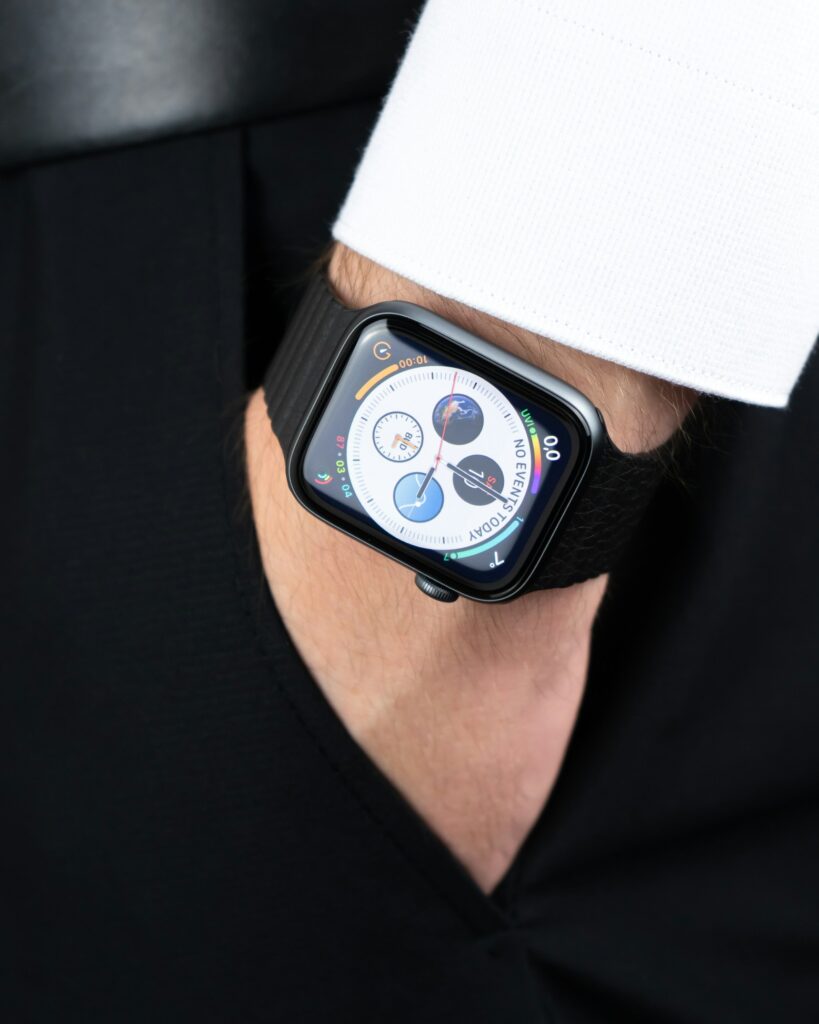
What started as simple step counters has evolved into a sophisticated ecosystem of intelligent health tools. Your Apple Watch can now detect atrial fibrillation, smartphone apps predict migraine attacks, and AI-powered platforms create personalized nutrition plans based on your DNA profile.
The numbers don’t lie:
- The global wellness tech market is projected to reach $100+ billion by 2025
- 73% of consumers use health apps daily
- Telemedicine consultations increased by 3,800% since 2020
- AI diagnostics now match specialist accuracy in many areas
This transformation goes beyond technology—it represents a fundamental shift in how society approaches health management and preventive care.
Why Now is the Tipping Point
1. From Treatment to Prevention
Traditional healthcare reacted to illness. Wellness tech flips this paradigm: through continuous monitoring, we can identify issues before they manifest. Heart rate variability predicts stress levels, sleep patterns indicate depression risk, and blood pressure trends reveal cardiovascular threats months in advance.
The prevention advantage: Early detection can reduce treatment costs by 60-80% while dramatically improving outcomes. A heart attack prevented is infinitely better than one treated, and wellness tech makes this level of prediction increasingly possible.
2. Democratization of Healthcare Access
An MRI scan once cost thousands and required weeks of waiting. Today, a smartphone app with AI support can detect skin cancer with 95% accuracy. Video specialist consultations make expertise accessible in remote areas, breaking down geographical and economic barriers.
Global impact: Telemedicine platforms now serve over 2 billion people worldwide, with rural areas seeing 300% increases in specialist access. This isn’t just convenience—it’s life-saving accessibility.
3. The Power of Real-Time Data
Where doctors previously relied on snapshots during appointments, wearables now provide 24/7 insights. This generates richer, more reliable data for better diagnoses and more effective treatment plans.
Data depth matters: Traditional annual checkups capture less than 0.1% of your health data. Continuous monitoring provides a complete picture, revealing patterns invisible to periodic testing.
The Game-Changers in Wellness Tech
Wearable Technology: Beyond Fitness Tracking
Modern wearables are mini-laboratories on your wrist:
Continuous Glucose Monitors eliminate painful finger pricks for diabetics while providing real-time insights that improve glucose management by 30-40%.
Smart patches monitor hydration levels for athletes and elderly patients, preventing dangerous dehydration episodes that lead to thousands of emergency room visits annually.
Advanced sleep tracking with AI optimization improves recovery and performance by identifying optimal sleep timing, environment conditions, and recovery needs.
ECG capabilities detect irregular heart rhythms in real-time, with Apple Watch alone credited with saving over 1,000 lives through early atrial fibrillation detection.
Real-world impact: Heart patients can now receive hospital-grade monitoring at home, reducing readmissions by 40% while improving quality of life significantly. The cost savings exceed $12,000 per patient annually.
Telemedicine: Healthcare Without Boundaries
The pandemic accelerated telemedicine adoption, but its potential extends far beyond convenience:
Mental health platforms provide immediate crisis support, reducing suicide risk by enabling instant professional intervention during critical moments. Crisis chat services report 60% fewer emergency interventions needed.
Remote monitoring allows chronic disease management from home, with diabetic patients showing 25% better glucose control when using connected devices versus traditional care.
AI-powered triage directs patients to appropriate care levels, reducing emergency room misuse by 35% while ensuring serious conditions receive immediate attention.
Specialist consultations reach underserved communities globally, with platforms like Teladoc serving patients in 130+ countries, making specialist expertise accessible regardless of location.
Artificial Intelligence: The Diagnostic Revolution
AI is transforming diagnosis accuracy and speed across multiple domains:
Medical imaging analysis detects cancer earlier than human radiologists in many cases. Google’s AI system identifies diabetic retinopathy with 90% accuracy, potentially preventing blindness in millions.
Predictive algorithms identify patients at risk for sepsis hours before symptoms appear, improving survival rates by 18% through early intervention.
Drug discovery acceleration reduces development time from decades to years. AI-designed drugs are now entering clinical trials 50% faster than traditional methods.
Personalized treatment plans optimize therapy based on genetic profiles, with precision medicine showing 40% better outcomes in cancer treatment when genetic markers guide therapy selection.
Strategic Implementation: Making It Work
For Healthcare Organizations
Immediate Actions:
- Invest in interoperable systems that communicate across platforms
- Train staff on digital health tools and data interpretation
- Develop partnerships with tech companies for integrated solutions
- Create patient education programs for technology adoption
Long-term Strategy:
- Build data analytics capabilities for population health management
- Establish remote monitoring programs for chronic conditions
- Develop AI-assisted decision support systems
- Create seamless patient experiences across digital touchpoints
ROI expectations: Organizations implementing comprehensive wellness tech report 15-25% cost reductions within 18 months, primarily through reduced readmissions and better chronic disease management.
For Individuals
Getting Started:
- Choose wearables that integrate with your healthcare provider’s systems
- Use reputable health apps with clinical validation (look for FDA approval or peer-reviewed studies)
- Share data proactively with your medical team
- Set realistic goals and track meaningful metrics
Maximizing Value:
- Focus on trends rather than daily fluctuations
- Combine multiple data sources for comprehensive insights
- Participate in digital health programs offered by insurers (many provide premium discounts)
- Stay informed about privacy settings and data sharing
Personal ROI: Individuals using comprehensive wellness tech report 30% fewer sick days, 20% lower healthcare costs, and significantly improved quality of life measures.
Overcoming Implementation Challenges
Data Privacy and Security
With great data comes great responsibility. Organizations must:
- Implement robust encryption and access controls using military-grade security protocols
- Comply with HIPAA, GDPR, and emerging regulations across all jurisdictions
- Provide transparent data usage policies in plain language
- Enable user control over personal health information with granular permissions
The trust factor: 78% of users would share more health data if they trusted how it would be used. Clear privacy policies and user control are essential for adoption.
Digital Health Literacy
Success requires addressing the knowledge gap:
- Develop user-friendly interfaces with intuitive design principles
- Provide comprehensive onboarding and support across multiple learning styles
- Create multilingual and culturally sensitive content for diverse populations
- Offer both digital and human support channels for different comfort levels
Education investment: Organizations spending on digital literacy training see 40% higher user engagement and 60% better health outcomes.
Integration Complexity
Seamless integration demands:
- Standardized data formats and APIs following industry protocols like FHIR
- Interoperability between different platforms and vendors
- Workflow optimization to prevent alert fatigue (a major cause of system abandonment)
- Change management processes that support gradual adoption
The Future Landscape: What’s Coming Next
Emerging Technologies
Digital twins create virtual models of patient health for predictive modeling, potentially preventing 70% of adverse events through simulation and early intervention.
Nanotechnology sensors provide molecular-level health monitoring, detecting diseases at the cellular level before any symptoms appear.
Brain-computer interfaces offer new treatments for neurological conditions, with early trials showing promise for depression, Parkinson’s, and stroke recovery.
Augmented reality enhances surgical precision and medical training, reducing surgical errors by up to 40% in early implementations.
Market Evolution
The wellness tech landscape is consolidating around integrated ecosystems. Major tech companies are partnering with healthcare giants to create comprehensive platforms that manage entire patient journeys.
Key Trends:
- Subscription-based wellness services are replacing one-time device purchases, creating ongoing relationships and continuous improvement
- Insurance companies are incentivizing healthy behaviors through tech integration, with premium discounts of 10-30% for active users
- Workplace wellness programs are becoming more sophisticated and personalized, showing $3.27 return on investment for every dollar spent
- Preventive care is shifting from clinical settings to daily life integration, making health management seamless and continuous
Regulatory Evolution
Governments worldwide are adapting regulatory frameworks to keep pace with innovation:
- FDA breakthrough device designations are accelerating approval times for promising technologies
- European Union’s AI Act provides clear guidelines for healthcare AI applications
- Telemedicine regulations are standardizing across state and national boundaries
- Data portability requirements are improving patient control over health information
Measuring Success: Key Performance Indicators
For Organizations:
- Patient engagement rates with digital health tools (target: 70%+ active users)
- Clinical outcome improvements in chronic disease management (20%+ improvement benchmarks)
- Cost reduction through preventive care initiatives ($2-5 saved per $1 invested)
- Staff satisfaction with integrated technology workflows (reduced burnout, improved efficiency)
For Individuals:
- Improved biomarker trends over time (tracked through regular testing)
- Reduced emergency healthcare utilization (30%+ reduction typical)
- Enhanced quality of life measurements (standardized surveys show 25%+ improvements)
- Achievement of personalized health goals (weight, fitness, medication adherence)
Real-World Success Stories
Mayo Clinic’s Connected Care: Their comprehensive remote monitoring program reduced hospital readmissions by 50% while improving patient satisfaction scores by 35%.
Kaiser Permanente’s AI Initiative: Their depression screening algorithm identifies at-risk patients 6 months earlier than traditional methods, improving treatment outcomes by 40%.
Aetna Better Health: Members using their wellness tech platform show 23% lower healthcare costs and 30% better medication adherence compared to non-users.
Getting Started: Your Action Plan
Phase 1: Assessment (Week 1)
- Evaluate your current health tracking (what devices/apps do you use?)
- Identify your primary health goals and concerns
- Research your healthcare provider’s digital capabilities
- Set baseline measurements for key metrics
Phase 2: Foundation (Weeks 2-4)
- Choose one primary wearable device that integrates with your provider
- Download 2-3 validated health apps for your specific needs
- Establish daily tracking routines
- Begin sharing data with your healthcare team
Phase 3: Optimization (Months 2-3)
- Analyze trends and patterns in your data
- Adjust goals based on progress and insights
- Explore additional technologies based on initial results
- Consider advanced features like genetic testing or comprehensive biomarker panels
Phase 4: Integration (Month 4+)
- Make wellness tech a seamless part of daily life
- Use data to make informed health decisions
- Share successes and learnings with others
- Stay updated on new technologies and opportunities
The Bottom Line: Your Health, Reimagined
Wellness technology isn’t just changing healthcare—it’s fundamentally reimagining what it means to be healthy in the 21st century. By embracing continuous monitoring, predictive analytics, and personalized interventions, we’re moving toward a future where health crises become increasingly rare and manageable.
The organizations and individuals who adapt early will reap the greatest benefits: lower costs, better outcomes, and improved quality of life. The question isn’t whether wellness tech will transform healthcare—it’s whether you’ll be leading the transformation or playing catch-up.
The transformation is happening now: Every day you wait is a day of potential health insights lost. The technology exists, the evidence is clear, and the benefits are proven. Your future self will thank you for taking action today.
Take Action Today:
- Assess your current digital health ecosystem
- Identify gaps in monitoring and management
- Research validated solutions for your specific needs
- Create an implementation timeline with measurable goals
- Start small, scale systematically, and iterate based on results
The future of health is personalized, predictive, and proactive. Wellness technology is making that future accessible today—the only question is whether you’re ready to embrace it.
Ready to transform your health journey? Start by evaluating which wellness tech solutions align with your goals and take the first step toward proactive health management.
This content discusses natural health topics for educational purposes only. Not intended as medical advice. Individual results vary significantly. Always consult healthcare professionals before making health decisions.