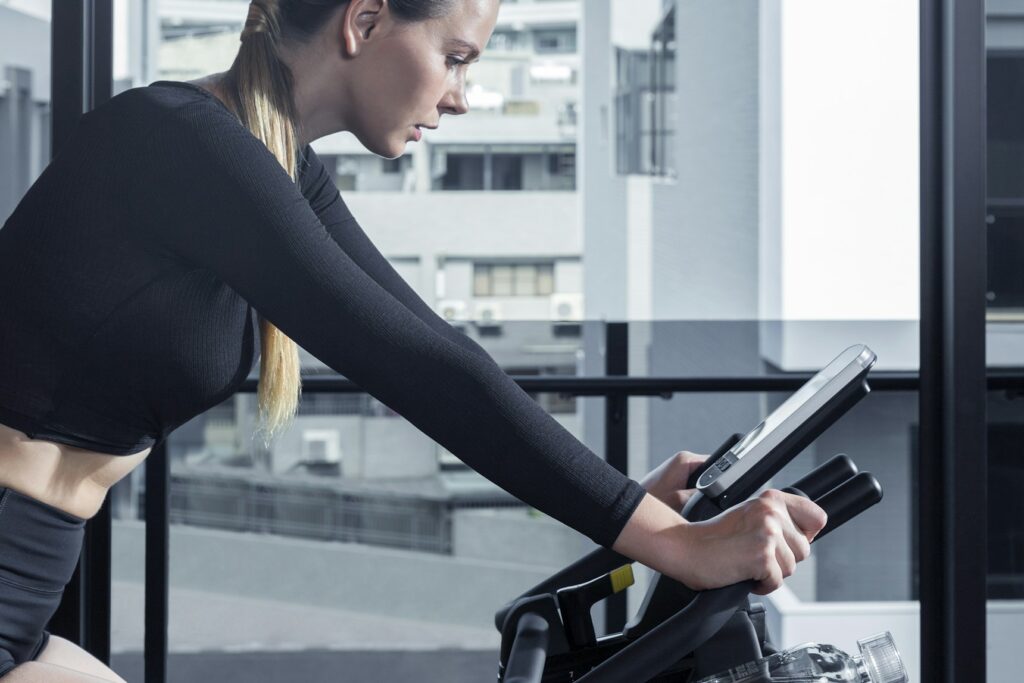
Smart Wearables Evolution: Beyond Step Counting
Next-Generation Health Monitoring
Today’s wearables have evolved far beyond basic step tracking to become sophisticated health monitoring systems:
[Medical Disclaimer]Advanced biometric tracking:
- Continuous blood oxygen monitoring prevents altitude sickness and detects sleep apnea
- Skin temperature sensors track menstrual cycles and predict illness onset
- Advanced heart rate variability analysis provides stress management insights
- Blood pressure monitoring through photoplethysmography eliminates cuff measurements
Real-world applications:
- Athletes use HRV data to optimize training intensity and recovery periods
- Chronic disease patients receive early warnings about health deteriorations
- Sleep optimization through detailed sleep stage analysis improves cognitive performance
- Stress management alerts help prevent burnout in high-pressure professions
Biometric Clothing and Smart Textiles
Wearable technology is integrating directly into clothing, making health monitoring seamless:
Smart fabric innovations:
- Compression garments with embedded sensors track muscle fatigue during workouts
- Smart shirts monitor respiratory rate and posture throughout the day
- Athletic wear analyzes biomechanics to prevent injury and improve form
- Temperature-regulating fabrics adapt to body heat and environmental conditions
Performance benefits:
- Professional sports teams reduce injury rates by 35% using smart clothing analytics
- Runners improve form efficiency through real-time gait analysis
- Rehabilitation patients receive immediate feedback on movement patterns
- Workers in physical jobs prevent repetitive strain injuries through posture monitoring
AI-Powered Fitness Revolution
Personalized Training Systems
Artificial intelligence is creating truly personalized fitness experiences that adapt in real-time:
AI personal trainers:
- Machine learning algorithms adjust workout intensity based on recovery metrics
- Computer vision technology corrects exercise form through smartphone cameras
- Natural language processing enables conversational fitness coaching
- Predictive analytics prevent overtraining and optimize performance peaks
Customization capabilities:
- Training plans adapt based on sleep quality, stress levels, and nutrition data
- Injury history influences exercise selection and progression rates
- Personal preferences and time constraints shape workout recommendations
- Progress tracking identifies plateaus and suggests program modifications
Smart Home Gym Integration
Connected fitness equipment creates comprehensive home workout ecosystems:
Intelligent equipment:
- Smart mirrors provide interactive workouts with form correction
- Connected weights automatically adjust resistance based on strength gains
- Cardio machines sync with wearables for optimal heart rate training
- Virtual reality systems gamify workouts for improved engagement
Ecosystem benefits:
- Seamless data sharing between devices provides holistic fitness insights
- Social features enable virtual group classes and competitive challenges
- Automated workout logging eliminates manual tracking errors
- Family fitness programs adapt to multiple users’ goals and abilities
Mental Health Technology Integration
Stress Monitoring and Management
Technology is making mental health as measurable and manageable as physical health:
Stress detection systems:
- Continuous cortisol monitoring through skin sensors provides real-time stress data
- Breathing pattern analysis identifies anxiety episodes before they escalate
- Heart rate variability tracking reveals autonomic nervous system balance
- Environmental sensors correlate stress levels with air quality and noise exposure
Intervention technologies:
- Biofeedback apps teach stress reduction techniques through gamification
- Meditation apps use brainwave monitoring to optimize mindfulness practice
- Light therapy devices regulate circadian rhythms for better mood and sleep
- Sound therapy systems create personalized audio environments for relaxation
Digital Mental Health Support
Mental wellness apps are becoming more sophisticated and clinically validated:
Evidence-based interventions:
- Cognitive behavioral therapy apps show 70% effectiveness for mild depression
- Mindfulness platforms reduce anxiety symptoms through guided programs
- Sleep therapy apps treat insomnia without pharmaceutical interventions
- Social connection platforms combat isolation through virtual communities
Nutrition Technology Advancement
Personalized Nutrition Science
Technology is making nutrition recommendations as individual as fingerprints:
Precision nutrition tools:
- Continuous glucose monitors optimize meal timing and composition for non-diabetics
- Genetic testing guides macronutrient ratios based on metabolic variants
- Microbiome analysis recommends foods that support gut health
- Blood biomarker tracking adjusts nutrition plans based on deficiencies
Smart kitchen integration:
- AI-powered meal planning considers health goals, preferences, and available ingredients
- Smart scales analyze food composition and suggest portion adjustments
- Connected appliances automatically adjust cooking parameters for optimal nutrition
- Supplement dispensers provide personalized daily vitamin and mineral doses
Hydration and Recovery Optimization
Advanced monitoring systems optimize hydration and recovery protocols:
Hydration technology:
- Smart water bottles track intake and remind users to drink based on activity levels
- Sweat analysis patches recommend electrolyte replacement during exercise
- Urine analysis apps assess hydration status through smartphone cameras
- Environmental monitoring adjusts hydration needs based on temperature and humidity
Recovery enhancement:
- Sleep optimization systems control bedroom environment for maximum recovery
- Compression therapy devices provide automated muscle recovery sessions
- Cold therapy systems regulate temperature exposure for inflammation reduction
- Red light therapy devices accelerate muscle repair and reduce soreness
Virtual and Augmented Reality Fitness
Immersive Workout Experiences
VR and AR technologies are transforming exercise from mundane to magical:
Virtual reality fitness:
- Immersive environments make cardio workouts feel like adventures
- Martial arts training with virtual opponents improves technique and timing
- Dance fitness programs teach complex choreography through visual guidance
- Mountain climbing simulations provide intense cardio without travel
Augmented reality applications:
- AR running apps overlay pace and distance information on real-world routes
- Form correction displays real-time technique adjustments during strength training
- Group fitness classes project instructors into home workout spaces
- Outdoor workout apps identify exercise opportunities in local environments
Gamification and Social Features
Technology is making fitness more engaging through game-like elements:
Gamified fitness:
- Achievement systems reward consistency and progress milestones
- Leaderboards create friendly competition among friends and communities
- Virtual challenges connect users with global fitness goals
- Story-driven workouts maintain engagement through narrative progression
Social connectivity:
- Virtual workout buddies provide accountability and motivation
- Live streaming classes connect users with instructors and fellow participants
- Progress sharing celebrates achievements and encourages community support
- Mentorship platforms connect beginners with experienced fitness enthusiasts
Data Analytics and Performance Optimization
Comprehensive Health Dashboards
Advanced analytics transform raw data into actionable health insights:
Integrated health monitoring:
- Multi-device data fusion provides complete wellness pictures
- Trend analysis identifies patterns and correlations across health metrics
- Predictive modeling forecasts health risks and optimal intervention timing
- Comparative analytics benchmark personal progress against population data
Professional applications:
- Sports teams use analytics to optimize player performance and prevent injuries
- Corporate wellness programs track employee health metrics and productivity
- Healthcare providers monitor chronic conditions remotely
- Insurance companies offer premium discounts based on healthy behaviors
Precision Medicine Applications
Personal health data enables truly individualized healthcare approaches:
Biomarker optimization:
- Continuous monitoring identifies optimal ranges for individual health markers
- Supplementation protocols adjust based on real-time nutrient status
- Exercise prescriptions consider genetic predispositions and current fitness levels
- Sleep optimization protocols account for chronotype and lifestyle factors
Privacy and Security Considerations
Data Protection Strategies
As health technology becomes more sophisticated, protecting personal information becomes critical:
Privacy safeguards:
- End-to-end encryption protects sensitive health data during transmission
- Local data processing reduces cloud storage privacy risks
- Granular permission controls allow users to limit data sharing
- Anonymous aggregation enables research benefits without individual exposure
User control measures:
- Data portability ensures users can switch between platforms freely
- Deletion rights allow complete removal of personal information
- Transparency reports show exactly how personal data is used
- Third-party audits verify security and privacy compliance
Implementation Strategies for Success
Choosing the Right Technology Stack
With countless options available, strategic selection ensures maximum benefit:
Evaluation criteria:
- Clinical validation and FDA approval for medical-grade devices
- Integration capabilities with existing health and fitness ecosystems
- Data accuracy and reliability compared to gold-standard measurements
- User experience design that encourages long-term adoption
Cost-benefit analysis:
- ROI measurement through health improvements and healthcare cost savings
- Subscription vs. one-time purchase models based on usage patterns
- Professional consultation costs for setup and optimization
- Upgrade paths and future-proofing considerations
Building Sustainable Habits
Technology succeeds when it supports lasting behavior change:
Habit formation strategies:
- Start with simple, achievable goals that build confidence
- Use technology to track progress without becoming obsessed with metrics
- Focus on consistency over perfection in daily wellness routines
- Integrate technology seamlessly into existing lifestyle patterns
Long-term success factors:
- Regular reassessment of goals and technology effectiveness
- Community support through social features and local groups
- Professional guidance from certified trainers and health coaches
- Balanced approach that doesn’t replace human connections with technology
Future Outlook: What’s Coming Next
Emerging Technologies
Several breakthrough technologies will reshape health and fitness by 2027:
Next-generation innovations:
- Non-invasive glucose monitoring through optical sensors
- Brain-computer interfaces for optimized meditation and focus training
- Nanotechnology sensors for real-time blood chemistry analysis
- Holographic fitness instructors for immersive home workouts
Integration trends:
- Smart city infrastructure supporting community health initiatives
- Healthcare system integration for seamless medical record sharing
- Workplace wellness programs built into corporate technology infrastructure
- Educational integration teaching health and fitness through technology
Making Technology Work for Your Wellness Journey
Getting Started Right
Success with health and fitness technology requires thoughtful implementation:
Phase 1: Foundation building (Month 1)
- Choose one primary wearable device that tracks your priority health metrics
- Download 2-3 validated apps that support your specific wellness goals
- Establish baseline measurements for key health indicators
- Create realistic daily and weekly targets
Phase 2: Integration and optimization (Months 2-3)
- Add complementary technologies that work well with your primary devices
- Analyze data trends to identify patterns and optimization opportunities
- Adjust goals based on actual capabilities and progress rates
- Explore social features for motivation and accountability
Phase 3: Advanced optimization (Months 4+)
- Consider specialized technologies for specific performance goals
- Integrate nutrition and recovery technologies for comprehensive wellness
- Use predictive analytics to prevent plateaus and maintain progress
- Share insights with healthcare providers for comprehensive health management
The Bottom Line: Technology as a Wellness Partner
Health and fitness technology in 2025 offers unprecedented opportunities to optimize physical and mental wellness through personalized, data-driven approaches. The most successful implementations treat technology as a supportive partner rather than a replacement for fundamental healthy behaviors.
Key success principles:
- Focus on technologies that enhance rather than complicate your wellness routine
- Prioritize data privacy and choose platforms with strong security practices
- Maintain balance between technology insights and intuitive body awareness
- Use social features to build community while avoiding unhealthy comparisons
Looking forward: The convergence of AI, biometric monitoring, and immersive technologies will create even more personalized and effective wellness solutions. Organizations and individuals who thoughtfully adopt these innovations while maintaining focus on sustainable healthy behaviors will see the greatest benefits.
The future of health and fitness isn’t about being overwhelmed by technology—it’s about intelligently leveraging these powerful tools to create lasting wellness improvements that enhance quality of life. Success comes from viewing technology as a means to better understand and care for yourself, not as an end in itself.
Stay informed about emerging health and fitness technologies through reputable sources, but remember that the best technology is the one you’ll actually use consistently to support your long-term wellness goals.
This content discusses natural health topics for educational purposes only. Not intended as medical advice. Individual results vary significantly. Always consult healthcare professionals before making health decisions.