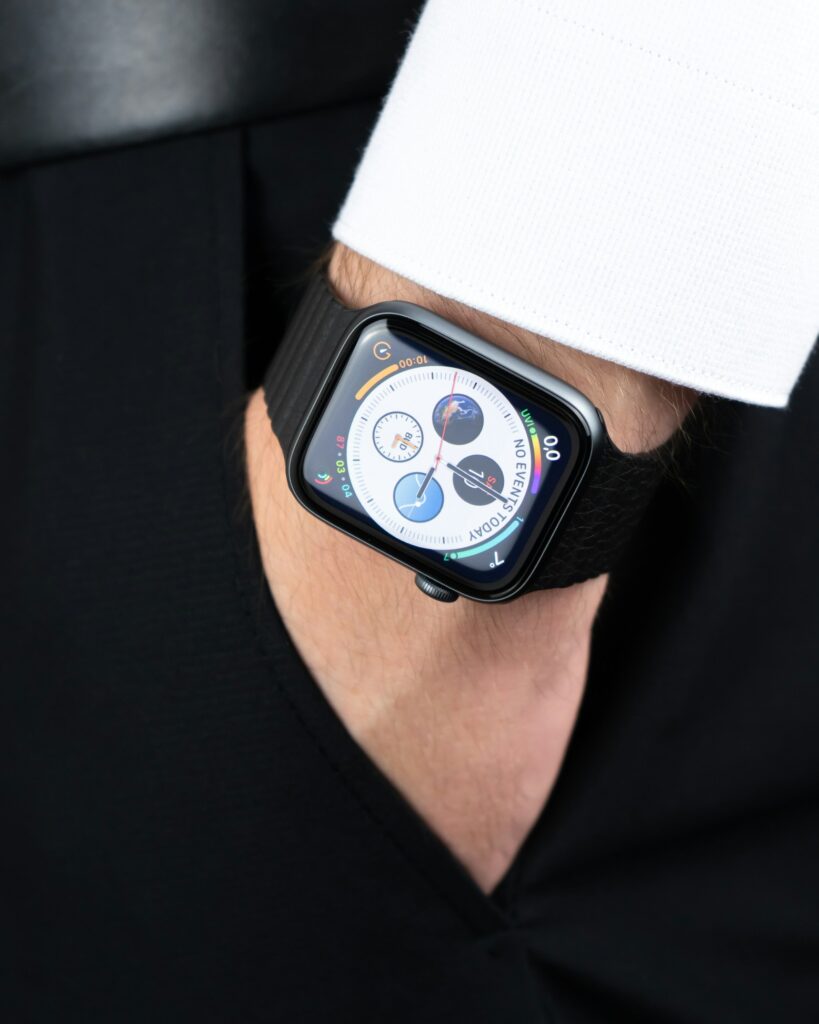

The health technology landscape is evolving at breakneck speed, driven by advances in AI, biotechnology, and consumer demand for personalized healthcare. 2025 marks a pivotal year where emerging technologies are moving from experimental to mainstream, fundamentally changing how we prevent, diagnose, and treat health conditions. This comprehensive overview examines the most significant trends reshaping wellness technology today.
[Medical Disclaimer]AI-Powered Personalized Medicine: Beyond One-Size-Fits-All Healthcare
Precision Diagnostics Revolution
Artificial intelligence is transforming diagnostic accuracy across multiple medical fields. Machine learning algorithms now analyze medical imaging with precision that often exceeds human specialists:
Radiology breakthroughs:
- AI systems detect early-stage lung cancer with 94% accuracy, six months before traditional methods
- Diabetic retinopathy screening through smartphone cameras prevents blindness in underserved communities
- MRI analysis identifies brain tumors 30% faster than radiologists alone
Pathology innovations:
- Digital pathology platforms analyze tissue samples in minutes instead of days
- AI identifies rare disease patterns that human pathologists might miss
- Automated cancer staging reduces diagnostic errors by 40%
Genomic Medicine Goes Mainstream
Whole genome sequencing costs have plummeted to under $1,000, making personalized genetic medicine accessible to millions:
Clinical applications:
- Pharmacogenomics testing prevents 85% of adverse drug reactions
- Polygenic risk scores predict heart disease decades before symptoms
- Gene therapy treatments for rare diseases show remarkable success rates
Consumer genomics evolution:
- At-home genetic testing now includes actionable health insights
- Nutrigenomics guides personalized nutrition plans
- Genetic counseling services integrate with primary care
Digital Therapeutics: Software as Medicine
FDA-Approved Apps That Actually Work
Digital therapeutics represent a paradigm shift from wellness apps to clinically validated treatments:
Mental health breakthroughs:
- Prescription digital therapeutics reduce depression symptoms by 45% in clinical trials
- VR exposure therapy treats PTSD with 80% efficacy rates
- AI-powered cognitive behavioral therapy shows results comparable to human therapists
Chronic disease management:
- Digital insulin management reduces diabetic complications by 60%
- Smartphone-based cardiac rehabilitation improves outcomes while cutting costs
- Prescription sleep apps treat insomnia without medication side effects
Remote Monitoring Revolution
Continuous health monitoring has moved beyond fitness tracking to medical-grade surveillance:
Wearable medical devices:
- Continuous glucose monitors prevent diabetic emergencies
- Smart clothing monitors heart rhythm abnormalities 24/7
- Patch-based sensors track medication adherence automatically
Clinical impact:
- Remote patient monitoring reduces hospital readmissions by 38%
- Early warning systems prevent sepsis through predictive analytics
- Chronic pain management improves through real-time biomarker tracking
Biotechnology Breakthroughs: Rewriting Biology
Gene and Cell Therapy Advances
2025 represents a watershed moment for advanced biological treatments:
CRISPR therapeutic applications:
- Gene editing treats sickle cell disease with 95% success rates
- Inherited blindness reversed through in-vivo gene therapy
- Cancer immunotherapy enhanced through engineered T-cells
Regenerative medicine progress:
- Lab-grown organs begin human trials for transplantation
- Stem cell therapies restore function in spinal cord injuries
- 3D bioprinting creates functional tissue for wound healing
Microbiome Medicine
Understanding of the gut-health connection drives innovative treatments:
Microbiome therapeutics:
- Fecal microbiota transplants treat recurrent C. difficile infections
- Probiotic drugs target specific mental health conditions
- Personalized microbiome analysis guides dietary interventions
Clinical applications:
- Microbiome testing predicts drug metabolism rates
- Bacterial engineering produces therapeutic compounds in the gut
- Precision probiotics treat inflammatory bowel disease
Mental Health Technology: Breaking Stigma Through Innovation
AI Therapy and Support Systems
Mental health technology addresses the global treatment gap:
Conversational AI therapists:
- Natural language processing provides 24/7 crisis support
- AI therapists show 70% effectiveness for mild-to-moderate depression
- Personalized therapy protocols adapt based on patient response
Predictive mental health:
- Smartphone data predicts depressive episodes weeks in advance
- Social media analysis identifies suicide risk factors
- Wearable stress monitoring prevents anxiety attacks
Neurotechnology Advances
Brain-computer interfaces move from research to clinical reality:
Therapeutic neurostimulation:
- Deep brain stimulation treats treatment-resistant depression
- Transcranial magnetic stimulation offers non-invasive therapy
- Closed-loop neurofeedback optimizes brain function
Cognitive enhancement:
- Brain training apps show measurable cognitive improvements
- Neurofeedback treats ADHD without medication
- Memory enhancement therapies help dementia patients
Preventive Health Revolution: From Treatment to Prevention
Predictive Analytics for Health
AI transforms healthcare from reactive to predictive:
Risk prediction models:
- Machine learning identifies heart attack risk years in advance
- Cancer screening algorithms detect tumors at Stage 0
- Alzheimer’s prediction through speech pattern analysis
Lifestyle intervention platforms:
- Personalized prevention plans reduce disease risk by 50%
- Behavioral change apps use gamification for lasting habits
- Social support networks enhance prevention program success
Environmental Health Monitoring
Technology tracks environmental factors affecting health:
Air quality integration:
- Personal air quality monitors guide outdoor activity decisions
- Indoor air sensors reduce asthma triggers automatically
- Pollution exposure data informs long-term health planning
Sleep and circadian optimization:
- Smart lighting systems regulate natural sleep cycles
- Environmental sensors optimize bedroom conditions
- Circadian rhythm tracking prevents shift work disorders
Healthcare Delivery Transformation
Telemedicine 2.0: Beyond Video Calls
Telemedicine evolves into comprehensive remote care:
Advanced remote diagnostics:
- Smartphone attachments perform clinical-grade examinations
- Remote ultrasound guides emergency medical decisions
- AI-powered triage determines appropriate care levels instantly
Specialized virtual care:
- Telepsychiatry reaches rural mental health deserts
- Remote surgery assistance saves lives in underserved areas
- Virtual ICU monitoring extends critical care capabilities
Decentralized Clinical Trials
Technology democratizes medical research participation:
Digital trial platforms:
- Patients participate in clinical trials from home
- Real-world evidence supplements traditional trial data
- AI matching connects patients with relevant research opportunities
Benefits:
- Trial participation increases 300% through digital platforms
- Diverse populations gain access to experimental treatments
- Research costs decrease while maintaining scientific rigor
Implementation Challenges and Solutions
Data Privacy and Security
Health data protection remains paramount as technology advances:
Privacy-preserving innovations:
- Homomorphic encryption analyzes data without exposing it
- Federated learning trains AI while keeping data localized
- Zero-knowledge proofs verify identity without sharing information
Regulatory compliance:
- HIPAA updates address emerging technologies
- International data sharing agreements facilitate global research
- Patient consent platforms provide granular control over data usage
Healthcare Equity and Access
Technology must address, not exacerbate, healthcare disparities:
Digital divide solutions:
- Low-cost diagnostic devices reach underserved communities
- Offline-capable health apps function without internet access
- Community health worker programs leverage mobile technology
Affordability initiatives:
- Open-source medical devices reduce equipment costs
- Value-based care models reward health outcomes over procedures
- Insurance coverage expands for digital therapeutics
Future Outlook: What’s Coming Next
Emerging Technologies on the Horizon
Several breakthrough technologies will reshape healthcare by 2027:
Quantum computing applications:
- Drug discovery acceleration through quantum molecular modeling
- Optimization of complex treatment protocols
- Enhanced medical imaging through quantum sensors
Nanotechnology advances:
- Targeted drug delivery at the cellular level
- Nano-sensors for continuous internal health monitoring
- Self-assembling materials for tissue repair
Integration and Interoperability
The future of health tech lies in seamless integration:
Unified health platforms:
- Comprehensive health records accessible across all providers
- AI assistants coordinate care between specialists
- Real-time health data sharing improves emergency response
Ecosystem collaboration:
- Technology companies partner with healthcare providers
- Research institutions share data for collective advancement
- Patients become active participants in their care teams
Making Health Tech Work for You
Choosing Reliable Technologies
With countless health apps and devices available, selection criteria matter:
Evidence-based evaluation:
- Look for FDA approval or clinical validation
- Check peer-reviewed research supporting claims
- Verify data privacy and security practices
Integration considerations:
- Choose platforms that connect with your healthcare providers
- Ensure data portability between different systems
- Prioritize user-friendly interfaces for long-term adoption
Staying Informed and Safe
Navigate the health tech landscape responsibly:
Information literacy:
- Verify health information from reputable sources
- Understand the limitations of consumer health technologies
- Maintain regular communication with healthcare providers
Privacy protection:
- Review data sharing agreements carefully
- Use strong passwords and two-factor authentication
- Regularly update app permissions and privacy settings
The Bottom Line: Embracing Health Tech Responsibly
The health technology revolution of 2025 offers unprecedented opportunities to improve health outcomes, increase access to care, and reduce healthcare costs. From AI-powered diagnostics to personalized gene therapies, these innovations promise to transform how we approach wellness and disease management.
However, successful integration requires thoughtful implementation that prioritizes patient safety, data privacy, and healthcare equity. The most promising technologies are those that enhance rather than replace human healthcare relationships, making care more personal, accessible, and effective.
Key takeaways for consumers:
- Start with validated technologies that address your specific health needs
- Maintain open communication with your healthcare team about technology use
- Stay informed about emerging trends while being cautious of unproven claims
- Prioritize platforms that respect your privacy and give you control over your data
Looking ahead: The convergence of AI, biotechnology, and digital health platforms will create more integrated, predictive, and personalized healthcare experiences. Organizations and individuals who embrace these changes thoughtfully will be best positioned to benefit from the ongoing health technology revolution.
The future of healthcare is not just about having access to advanced technology—it’s about using that technology wisely to create better health outcomes for everyone. As we navigate this transformation, the focus must remain on the human element of healthcare while leveraging technology’s power to enhance, not replace, the human connection that lies at the heart of healing.
The health tech landscape evolves rapidly. Stay informed about new developments by following reputable medical journals, FDA announcements, and peer-reviewed research publications.
This content discusses natural health topics for educational purposes only. Not intended as medical advice. Individual results vary significantly. Always consult healthcare professionals before making health decisions.