Introduction: The Ancient Practice with Modern Science
From the ice plunges of Scandinavian cultures to the cold-water swimming traditions of Russia, humans have long recognized the invigorating effects of cold exposure. What once seemed like masochistic behavior or cultural oddity is now backed by robust scientific research revealing powerful physiological benefits.
[Medical Disclaimer]Cold exposure therapy—whether through cold showers, ice baths, cryotherapy, or cold-water swimming—triggers profound adaptations in your nervous system, immune function, metabolism, and mental resilience. These aren’t just temporary responses; regular cold exposure creates lasting changes that enhance your ability to handle stress, improve recovery, boost immune function, and increase mental toughness.
The key lies in understanding cold exposure as hormetic stress—a beneficial stressor that makes your body stronger and more resilient when applied correctly. Like exercise, the acute discomfort of cold exposure triggers adaptive responses that improve long-term health and performance. Modern research has validated what traditional cultures knew intuitively: controlled cold exposure is a powerful tool for optimizing human physiology and psychology.
The Science of Cold Adaptation and Thermogenesis
Physiological Responses to Cold Exposure
When you expose yourself to cold temperatures, your body initiates a complex cascade of responses designed to maintain core temperature and ensure survival. These responses create the foundation for cold exposure’s health benefits.
Immediate Responses (0-5 minutes):
- Vasoconstriction: Blood vessels near the skin surface constrict to preserve core heat
- Increased heart rate: Cardiovascular system works harder to maintain circulation
- Sympathetic activation: Fight-or-flight nervous system triggers alertness and energy mobilization
- Brown fat activation: Specialized fat tissue begins generating heat through thermogenesis
Acute Adaptations (5-20 minutes):
- Norepinephrine release: Stress hormone levels increase dramatically, sometimes 200-500% above baseline
- Enhanced circulation: Body begins adapting to maintain blood flow to extremities
- Metabolic acceleration: Energy expenditure increases significantly to generate heat
- Immune system activation: White blood cell mobilization and immune factor release
Long-term Adaptations (weeks to months):
- Increased brown fat: More efficient heat-generating tissue development
- Improved cold tolerance: Reduced perception of cold discomfort over time
- Enhanced stress resilience: Better ability to handle various types of stressors
- Metabolic flexibility: Improved ability to switch between energy sources efficiently
Brown Fat and Metabolic Benefits
Brown adipose tissue (BAT) is metabolically active fat that generates heat through thermogenesis rather than storing energy like regular white fat. Cold exposure is one of the most powerful stimulators of brown fat activation and development.
Research from Harvard Medical School shows that regular cold exposure can increase brown fat activity by up to 45% and total brown fat volume by 37%. This increased brown fat activity provides several metabolic benefits:
Enhanced Calorie Burning: Brown fat can burn up to 300 calories per day when fully activated, contributing to weight management without dietary changes or additional exercise.
Improved Insulin Sensitivity: Brown fat activation enhances glucose uptake and insulin sensitivity, supporting better blood sugar control and reduced diabetes risk.
Increased Mitochondrial Density: Cold exposure stimulates mitochondrial biogenesis, improving cellular energy production and overall metabolic efficiency.
Immune System Modulation
Cold exposure creates a controlled stress that strengthens immune function through several mechanisms:
Acute Immune Activation: Cold water immersion increases white blood cell count, lymphocytes, and natural killer cells for several hours post-exposure.
Long-term Immune Enhancement: Regular cold exposure reduces inflammatory markers like IL-6 and TNF-alpha while increasing anti-inflammatory cytokines.
Stress Resilience: Improved stress hormone regulation enhances overall immune function and reduces susceptibility to stress-related illness.
A landmark study from the Netherlands found that people practicing cold exposure combined with breathing techniques showed 50% fewer flu-like symptoms compared to controls, and when exposed to bacterial endotoxins, had reduced inflammatory responses and faster recovery.
Mental Health and Cognitive Benefits
Neurotransmitter Effects and Mood Enhancement
Cold exposure profoundly affects brain chemistry, often providing rapid mood improvements and enhanced mental clarity:
Norepinephrine and Dopamine: Cold exposure increases norepinephrine by 200-500% and dopamine by 60-250%. These neurotransmitter increases promote alertness, focus, mood elevation, and stress resilience that can last for hours after exposure.
Endorphin Release: The initial discomfort of cold exposure triggers endorphin release, creating natural mood elevation and pain relief similar to “runner’s high.”
GABA Enhancement: Regular cold exposure can increase GABA sensitivity, promoting better stress management and anxiety reduction over time.
Depression and Anxiety Benefits
Research on cold water swimming and depression shows remarkable therapeutic potential:
Clinical Depression: A 2018 case study documented complete remission of severe depression in a 24-year-old woman through graduated cold water swimming, with benefits maintained at 6-month follow-up without medication.
Anxiety Reduction: Regular cold exposure reduces baseline anxiety levels and improves stress reactivity, likely through enhanced stress hormone regulation and increased stress resilience.
Seasonal Affective Disorder: Cold exposure combined with bright light therapy shows enhanced benefits for winter depression compared to light therapy alone.
Building Mental Resilience
Cold exposure serves as a powerful tool for developing mental toughness and stress resilience:
Stress Inoculation: Regular exposure to controlled, predictable stress improves ability to handle unpredictable life stressors.
Mindfulness Training: Managing discomfort during cold exposure develops present-moment awareness and emotional regulation skills.
Confidence Building: Successfully completing challenging cold exposures builds self-efficacy and confidence in facing difficult situations.
Practical Cold Exposure Methods
Cold Showers: The Accessible Starting Point
Cold showers provide the most accessible introduction to cold exposure therapy:
Beginner Protocol:
- Week 1-2: End normal shower with 30-60 seconds cold water
- Week 3-4: Increase to 90-120 seconds cold exposure
- Week 5-8: Work up to 2-3 minutes or full cold showers
- Focus on controlled breathing throughout exposure
Advanced Techniques:
- Contrast showers: Alternate between hot (2-3 minutes) and cold (30-60 seconds) for 3-5 cycles
- Cold-only showers: 3-5 minutes of cold water only
- Temperature progression: Gradually decrease water temperature over weeks/months
Breathing Integration: Combine cold showers with specific breathing techniques to enhance benefits and manage discomfort. Focus on slow, controlled breathing rather than gasping or breath-holding.
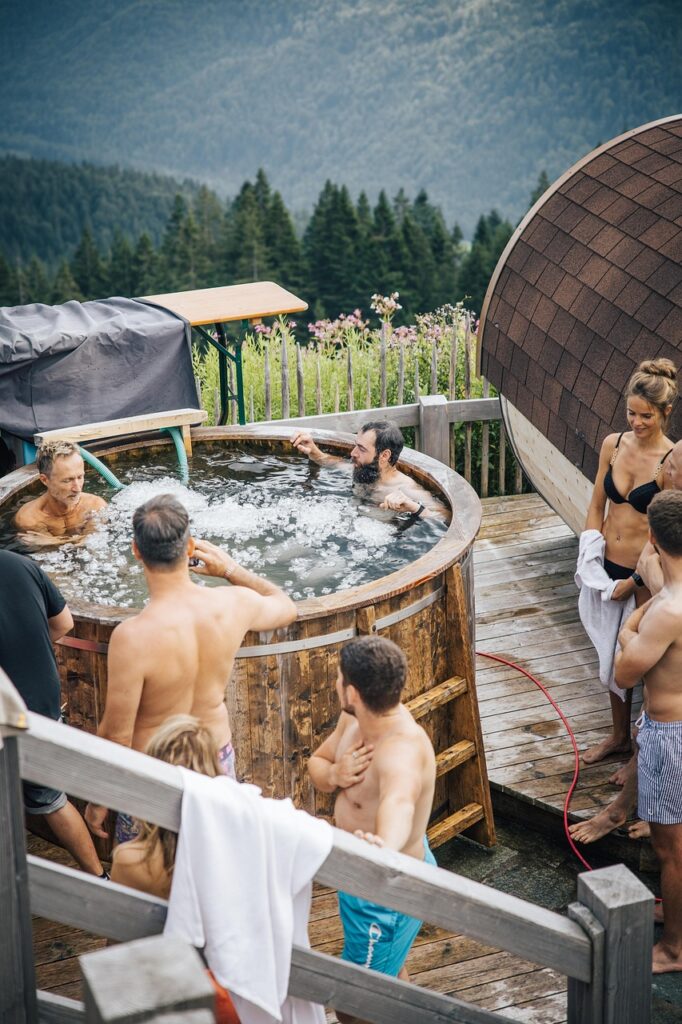
Ice Baths and Cold Water Immersion
Ice baths provide more intense cold exposure with potentially greater benefits:
Temperature and Timing:
- Beginners: 50-60°F (10-15°C) for 2-5 minutes
- Intermediate: 45-55°F (7-13°C) for 5-10 minutes
- Advanced: 35-45°F (2-7°C) for 10-15 minutes
- Always prioritize safety and gradual progression
Setup and Safety:
- Use thermometer to monitor water temperature accurately
- Have warm clothes and towels readily available
- Never do ice baths alone, especially for longer durations
- Exit immediately if experiencing numbness, confusion, or severe shivering
Post-Exercise Recovery: Ice baths within 1-2 hours post-exercise can reduce inflammation and accelerate recovery, though timing matters for different training adaptations.
Cryotherapy and Professional Options
Whole Body Cryotherapy (WBC):
- Temperature: -200°F to -250°F (-129°C to -157°C)
- Duration: 2-4 minutes in specialized chambers
- Benefits: Rapid cooling with minimal time commitment
- Considerations: Expensive, requires facility access, less research than water immersion
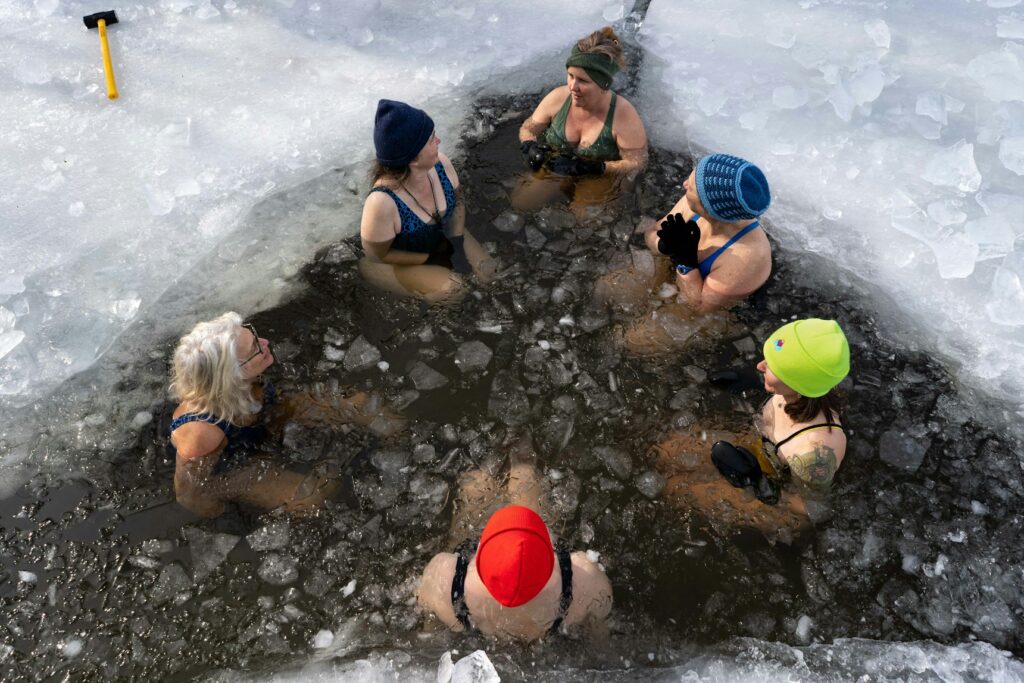
Cold Water Swimming:
- Natural bodies of water: Provides full-body immersion with added psychological benefits
- Safety paramount: Never swim alone, understand local conditions, wear appropriate gear
- Seasonal progression: Start in warmer months and adapt as water temperature decreases
- Community aspect: Many regions have cold water swimming groups for support and safety
Optimal Protocols and Timing
Frequency and Duration Guidelines
Research suggests that effective cold exposure protocols follow specific parameters:
Minimum Effective Dose:
- Frequency: 2-4 times per week for sustained benefits
- Duration: 2-5 minutes per session for beginners, up to 15 minutes for advanced
- Temperature: Below 60°F (15°C) for physiological benefits
- Total weekly: 11-15 minutes of cold exposure per week shows measurable benefits
Timing Considerations:
- Morning exposure: Enhances alertness and energy for the day
- Post-workout: Benefits recovery but may blunt some training adaptations
- Evening exposure: May interfere with sleep for some individuals due to sympathetic activation
- Consistency: Same time daily helps build sustainable habits
Integration with Other Practices
Breathing Techniques: Combine cold exposure with specific breathing methods to enhance benefits and manage discomfort:
- Wim Hof Method: Specific breathing patterns before, during, and after cold exposure
- Box breathing: 4-4-4-4 pattern helps maintain composure during exposure
- Coherent breathing: 5-6 breaths per minute optimizes autonomic balance
Meditation and Mindfulness: Use cold exposure as mindfulness practice by maintaining present-moment awareness and observing sensations without judgment.
Exercise Integration:
- Pre-workout: May enhance alertness and performance readiness
- Post-workout: Focus on recovery benefits while understanding potential training adaptation effects
- Rest days: Can provide stress adaptation stimulus without physical exercise demands
Safety Considerations and Contraindications
Who Should Avoid Cold Exposure
Absolute Contraindications:
- Serious cardiovascular disease or recent cardiac events
- Uncontrolled hypertension
- Eating disorders with temperature regulation issues
- Pregnancy (consult healthcare provider)
- Cold urticaria or severe cold allergies
Relative Contraindications (Medical Supervision Advised):
- Diabetes with poor circulation
- Raynaud’s disease or circulation disorders
- Recent surgery or injury
- Medications affecting circulation or temperature regulation
Safety Protocols and Warning Signs
Pre-Exposure Preparation:
- Warm up body with light movement or warm shower
- Ensure you’re well-hydrated and fed
- Have warm clothes and environment ready for post-exposure
- Never attempt cold exposure alone for longer durations
During Exposure:
- Focus on controlled breathing, avoid hyperventilation
- Monitor for warning signs: severe shivering, numbness, confusion
- Exit immediately if feeling faint, nauseous, or disoriented
- Start conservatively and progress gradually over weeks/months
Post-Exposure Recovery:
- Warm up gradually with dry clothes and warm environment
- Light movement helps restore circulation
- Avoid hot showers immediately after—allow gradual rewarming
- Stay hydrated and consume warm beverages if desired
Emergency Responses: Know signs of hypothermia and have emergency plans for outdoor cold exposure. When in doubt, exit cold exposure and seek warming immediately.
Measuring Progress and Benefits
Subjective Indicators
Track these personal measures to assess cold exposure benefits:
Physical Responses:
- Reduced perceived cold discomfort over time
- Faster recovery from cold exposure sessions
- Improved energy levels throughout the day
- Enhanced sleep quality (if exposure timing works for you)
Mental/Emotional Benefits:
- Increased stress resilience in daily life
- Improved mood and reduced anxiety
- Enhanced confidence and mental toughness
- Better emotional regulation under stress
Performance Markers:
- Faster post-exercise recovery
- Reduced illness frequency
- Improved focus and cognitive performance
- Enhanced motivation and discipline
Objective Measurements
Physiological Markers:
- Heart rate variability improvements indicating better stress resilience
- Resting heart rate changes over time
- Blood pressure improvements (with medical supervision)
- Inflammatory marker reductions (CRP, IL-6)
Cold Tolerance Metrics:
- Time comfortable in cold water at specific temperatures
- Skin temperature recovery rates post-exposure
- Reduced shivering response over time
- Improved circulation in extremities
Technology Integration
Wearable Devices: Many fitness trackers and health monitors can track heart rate variability, stress markers, and recovery metrics that may improve with regular cold exposure.
Temperature Monitoring: Use reliable thermometers for water temperature and consider core temperature monitors for advanced practitioners working with professionals.
Building a Sustainable Cold Exposure Practice
Habit Formation Strategies
Start Small and Progress Gradually: Begin with 30-second cold shower finishes and progress slowly over weeks rather than attempting dramatic exposures immediately.
Consistency Over Intensity: Regular moderate cold exposure provides more benefits than sporadic extreme exposures and builds sustainable habits.
Environmental Design: Make cold exposure as convenient as possible—keep towels ready, prepare warm clothes, and remove barriers to practice.
Social Support: Join cold exposure communities, find practice partners, or share your journey with supportive friends and family.
Seasonal Adaptations
Summer Introduction: Start cold exposure practice during warmer months when the contrast is less extreme and gradually adapt as temperatures drop.
Winter Maintenance: Maintain practice during cold months but consider shorter durations or slightly warmer temperatures to balance total cold stress.
Travel Strategies: Develop portable cold exposure routines using hotel showers or local facilities to maintain consistency while traveling.
Long-term Progression
Advanced Techniques: As tolerance builds, explore longer durations, colder temperatures, or combination protocols with breathing techniques and meditation.
Periodization: Consider cycling cold exposure intensity like athletic training—periods of building, maintenance, and recovery.
Integration with Goals: Align cold exposure practice with broader health and performance goals, adjusting protocols based on training cycles, stress levels, and life demands.
Conclusion: Embracing the Cold for Optimal Health
Cold exposure therapy represents one of the most accessible yet powerful tools for enhancing physical health, mental resilience, and overall performance. The growing body of scientific research validates what traditional cultures have long understood: controlled exposure to cold creates profound adaptations that benefit virtually every system in the body.
The beauty of cold exposure lies in its simplicity and accessibility. While specialized equipment and facilities can enhance the practice, meaningful benefits can be achieved with nothing more than access to cold water and the commitment to embrace temporary discomfort for long-term gain.
Implementation Strategy:
- Start with cold showers: Begin with 30-60 seconds and gradually increase duration over weeks
- Focus on breathing: Maintain controlled breathing throughout exposure to manage discomfort and enhance benefits
- Progress gradually: Increase duration and decrease temperature slowly to build sustainable tolerance
- Prioritize safety: Understand contraindications, warning signs, and always err on the side of caution
- Track benefits: Monitor both subjective improvements and objective measures when possible
- Build consistency: Regular moderate exposure trumps sporadic extreme sessions for long-term benefits
- Integrate mindfully: Combine with other practices like meditation, breathing exercises, or recovery protocols
Remember that cold exposure is a practice, not a performance. The goal isn’t to endure the longest, coldest exposure possible, but to find the approach that provides consistent benefits while remaining safe and sustainable for your individual circumstances and goals.
When approached with respect, patience, and proper progression, cold exposure becomes more than just a health practice—it becomes a powerful tool for building physical resilience, mental toughness, and a deeper connection to your body’s incredible adaptive capabilities.
Disclaimer: This information is for educational purposes only and is not intended as medical advice. Individuals with cardiovascular conditions, circulation disorders, or other health concerns should consult qualified healthcare providers before beginning cold exposure therapy. Never attempt extreme cold exposure without proper preparation and safety measures.
This content discusses natural health topics for educational purposes only. Not intended as medical advice. Individual results vary significantly. Always consult healthcare professionals before making health decisions.