

Sleep Enhancement

Morning Routines for Better Sleep: How Your Day Affects Your Night

Most people think about sleep when they’re lying in bed at night, struggling to fall asleep or waking up groggy. But the secret to better sleep actually begins the moment you wake up. Your morning routine doesn’t just set the tone for your day—it fundamentally shapes the quality of your sleep that night.

Your circadian rhythm, the internal biological clock that regulates sleep-wake cycles, is primarily synchronized by morning light exposure and daily behaviors. The choices you make in the first few hours after waking—when you expose yourself to light, when you eat breakfast, how you manage stress, and when you exercise—create a cascade of physiological processes that either support or undermine your sleep quality 16-18 hours later.

Understanding this connection transforms morning routines from random habits into strategic sleep optimization tools. When you align your morning behaviors with circadian biology, you create the ideal conditions for natural sleepiness at bedtime, deeper sleep throughout the night, and more refreshing morning awakenings.

Health Info: Educational content only. Not medical advice. See disclaimer

Morning Routines for Better Sleep: How Your Day Affects Your Night Read More »
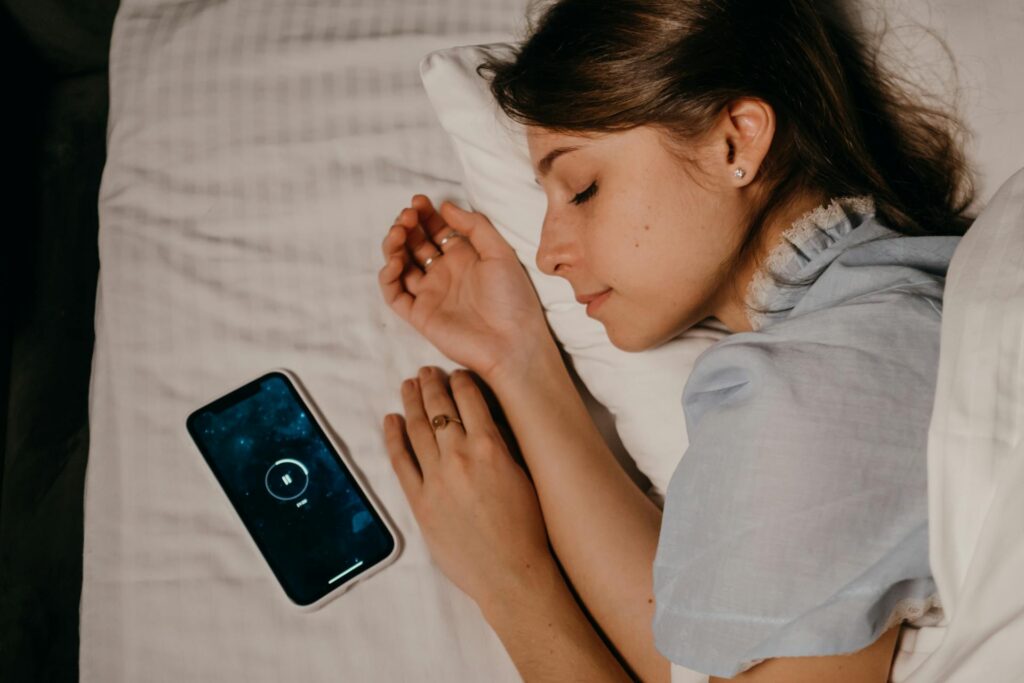
Sleep Tracking and Optimization: Using Data to Improve Your Rest Quality

Sleep tracking has evolved from simple step counters to sophisticated systems that monitor heart rate variability, brain waves, and environmental factors. What was once the domain of sleep labs is now accessible through wearable devices, smartphone apps, and smart home systems that provide unprecedented insights into your nightly rest patterns.

The promise is compelling: objective data about your sleep cycles, recovery metrics, and environmental factors that influence rest quality. But the reality is more complex. With dozens of devices claiming to optimize your sleep and countless metrics to interpret, many people find themselves overwhelmed by data without clear actionable insights.

The key to successful sleep optimization lies not in collecting more data, but in understanding which metrics matter most, how to interpret trends rather than daily fluctuations, and how to translate insights into sustainable improvements. When done correctly, sleep tracking becomes a powerful tool for identifying patterns, testing interventions, and building better sleep habits based on objective feedback rather than subjective impressions.

Health Info: Educational content only. Not medical advice. See disclaimer

Sleep Tracking and Optimization: Using Data to Improve Your Rest Quality Read More »

Natural Sleep Aids: Herbs, Supplements, and Lifestyle Approaches That Actually Work

Introduction: The Natural Path to Better Sleep Over 70 million Americans struggle with sleep disorders, yet many turn to pharmaceutical sleep aids that create dependency while disrupting natural sleep architecture. Research reveals that prescription sleep medications often reduce deep sleep and REM sleep—the very stages most crucial for physical recovery and memory consolidation. Natural sleep

Health Info: Educational content only. Not medical advice. See disclaimer

Natural Sleep Aids: Herbs, Supplements, and Lifestyle Approaches That Actually Work Read More »

Light Therapy and Circadian Rhythm Optimization for Natural Sleep Enhancement

Light is the most powerful tool you have for optimizing sleep, yet most people unknowingly sabotage their circadian rhythms daily through poor light exposure patterns. Your circadian system evolved over millions of years to respond to natural light cycles, but modern life has disrupted this fundamental biological process with devastating consequences for sleep quality, energy levels, and overall health.

Research from Stanford’s Sleep Medicine Center reveals that proper light exposure can advance or delay your circadian rhythm by up to 2-3 hours, effectively eliminating jet lag, seasonal depression, and chronic sleep disorders without pharmaceutical intervention. The key lies in understanding when, how much, and what type of light exposure optimizes your internal clock.

This comprehensive guide explores the science of circadian photobiology, evidence-based light therapy protocols, and practical strategies for using light to naturally enhance sleep quality, boost daytime energy, and optimize your body’s master timing system.

Health Info: Educational content only. Not medical advice. See disclaimer

Light Therapy and Circadian Rhythm Optimization for Natural Sleep Enhancement Read More »

Strategic Napping: The Science of Power Naps for Enhanced Performance

In our hyperconnected, always-on culture, napping often carries the stigma of laziness or lack of productivity. Yet some of history’s greatest minds—from Leonardo da Vinci to Albert Einstein—were dedicated nappers who understood what modern science is now proving: strategic napping isn’t a sign of weakness, it’s a performance optimization tool.

The average adult gets less than seven hours of sleep per night, creating a massive sleep debt that impacts cognitive function, emotional regulation, and physical performance. While nothing can fully replace adequate nighttime sleep, strategic napping can serve as a powerful complement to your sleep architecture, boosting alertness, creativity, and overall well-being when implemented correctly.

Understanding the science behind different nap durations, timing, and techniques can transform your afternoon energy crash into a competitive advantage. This isn’t about random dozing—it’s about leveraging your natural circadian rhythms and sleep cycles for maximum benefit.

Health Info: Educational content only. Not medical advice. See disclaimer

Strategic Napping: The Science of Power Naps for Enhanced Performance Read More »

Sleep Architecture Optimization: Understanding Your Sleep Cycles for Peak Recovery

While you spend roughly one-third of your life asleep, the quality of that sleep depends far more on how you sleep than simply how long. Understanding and optimizing your sleep architecture – the intricate structure and timing of your sleep cycles – can transform not just your nights, but your days as well.
Recent research reveals that sleep architecture optimization can enhance memory consolidation by up to 40%, improve physical recovery by 25%, and significantly boost cognitive performance. But here’s what most people don’t realize: you can actively influence and improve your sleep architecture without any medications.

Health Info: Educational content only. Not medical advice. See disclaimer

Sleep Architecture Optimization: Understanding Your Sleep Cycles for Peak Recovery Read More »

Sleep Environment Optimization: Creating Your Perfect Sleep Sanctuary

Your bedroom is more than just a place to rest—it’s the command center for one of your body’s most critical biological processes. Quality sleep affects everything from cognitive performance and emotional regulation to immune function and cellular repair. Yet millions of people struggle with sleep issues, often overlooking one of the most controllable factors: their sleep environment.

Creating an optimal sleep environment isn’t about expensive gadgets or complete bedroom makeovers. It’s about understanding how environmental factors influence your circadian rhythms and sleep architecture, then making strategic adjustments that work with your body’s natural sleep mechanisms. Small changes to temperature, light, sound, and air quality can dramatically improve both sleep quality and duration.

The concept of sleep hygiene extends beyond just having a consistent bedtime routine—it encompasses every aspect of your physical sleep environment. Research consistently shows that people who optimize their sleep environment report 20-30% improvements in sleep quality within just two weeks, along with better daytime energy, mood, and cognitive performance.

Health Info: Educational content only. Not medical advice. See disclaimer

Sleep Environment Optimization: Creating Your Perfect Sleep Sanctuary Read More »