smart-news.com Publisher

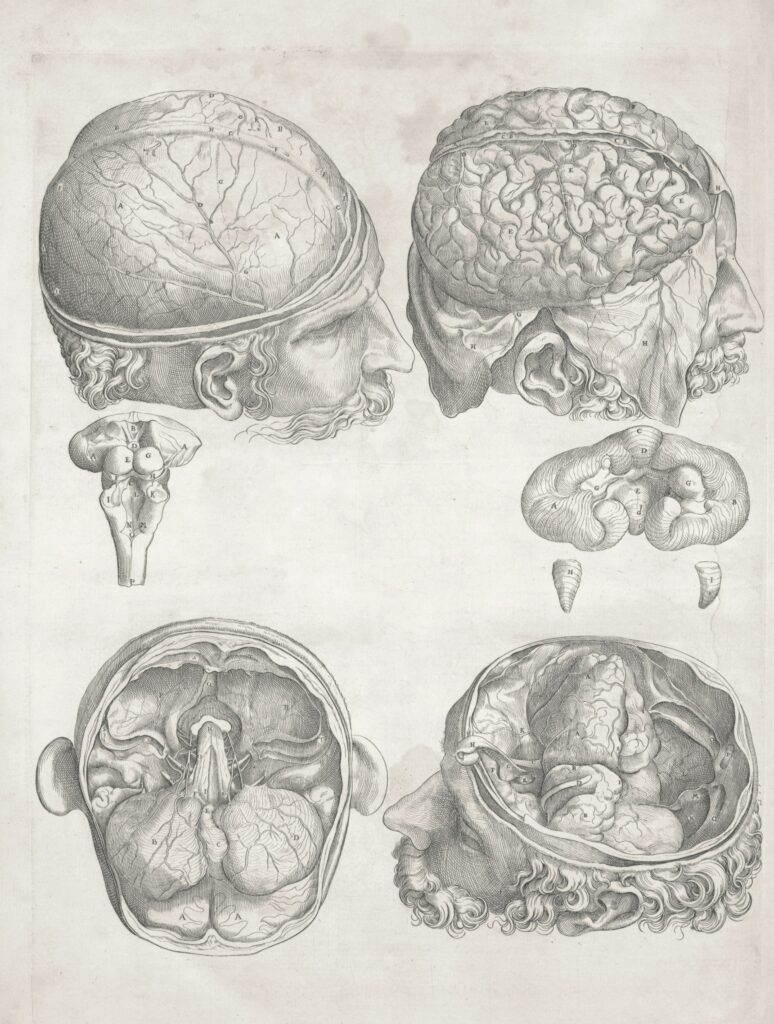
Memory Enhancement Techniques: Science-Based Methods for Superior Recall

Your memory isn’t fixed—it’s a trainable skill that can be dramatically enhanced through evidence-based techniques used by memory champions and cognitive scientists. Research from neuroscience laboratories reveals that memory athletes don’t possess superior brains; they simply use specific strategies that leverage your brain’s natural architecture for optimal information storage and retrieval.

Memory champion Joshua Foer demonstrated this principle by going from average memory to winning the U.S. Memory Championship in just one year using classical techniques. Meanwhile, studies of London taxi drivers show that intensive memory training literally changes brain structure, increasing gray matter in regions associated with spatial memory and navigation.

The key insight: memory isn’t about raw capacity but about organization, association, and strategic encoding. Your brain can store virtually unlimited information when you provide it with the right frameworks and retrieval cues.

This comprehensive guide explores the neuroscience of memory formation, proven enhancement techniques, and practical systems for dramatically improving your ability to learn, remember, and recall information across all areas of life.

Health Info: Educational content only. Not medical advice. See disclaimer

Memory Enhancement Techniques: Science-Based Methods for Superior Recall Read More »

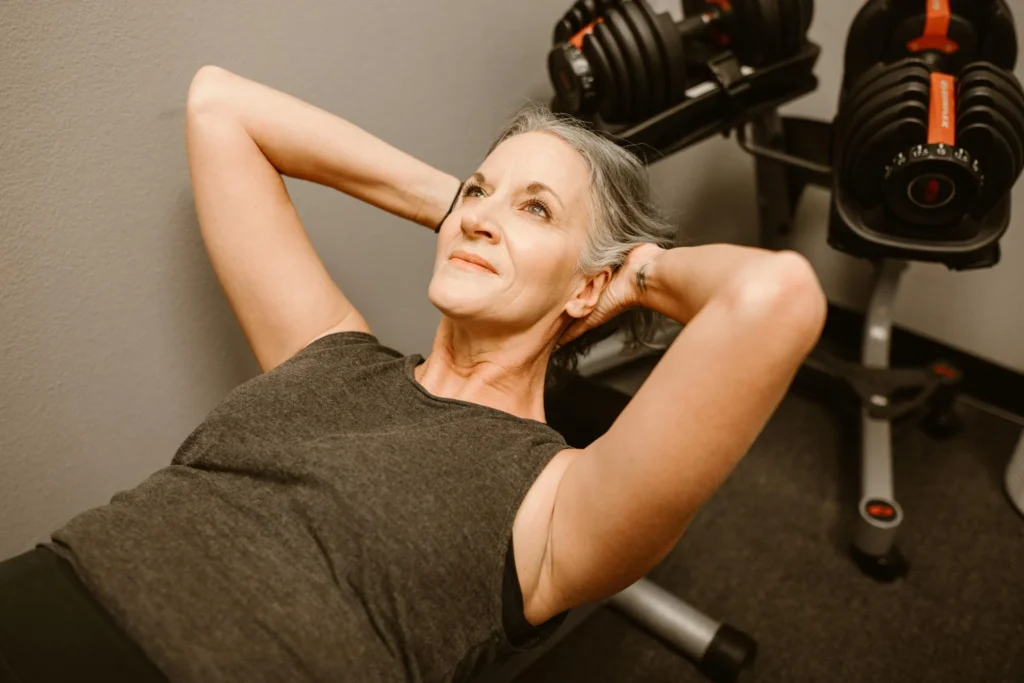
Functional Movement Patterns: Building Real-World Strength and Mobility

Introduction: Moving Beyond the Gym Mindset Traditional fitness often creates strong bodies that struggle with basic daily activities. You might deadlift 300 pounds but struggle to pick up groceries without back pain, or bench press impressively while lacking the shoulder mobility to reach overhead comfortably. This disconnect between gym strength and real-world function represents a

Health Info: Educational content only. Not medical advice. See disclaimer

Functional Movement Patterns: Building Real-World Strength and Mobility Read More »

Cellular Health and Anti-Aging: Evidence-Based Longevity Strategies That Work

Aging isn’t inevitable—it’s a malleable biological process that can be slowed, stopped, and in some cases reversed at the cellular level. Revolutionary research in longevity science reveals that aging results from nine distinct hallmarks of cellular deterioration, each of which can be targeted through evidence-based interventions.

Scientists studying centenarians and blue zones populations have identified specific strategies that extend both healthspan and lifespan. Recent breakthroughs demonstrate that chronological age and biological age can diverge dramatically. Some 60-year-olds possess the cellular health of 40-year-olds, while others age rapidly due to accelerated cellular damage.

The difference lies not in genetics—which account for only 20-25% of longevity—but in lifestyle interventions that optimize cellular repair and regeneration.

Health Info: Educational content only. Not medical advice. See disclaimer

Cellular Health and Anti-Aging: Evidence-Based Longevity Strategies That Work Read More »

Gut Health Revolution: How Your Microbiome Controls Your Overall Wellness

Your gut contains more nerve cells than your spinal cord, produces 95% of your body’s serotonin, and houses trillions of microorganisms that directly influence your mood, immune function, metabolism, and cognitive performance. Recent research reveals that your gut microbiome functions as a sophisticated ecosystem that controls far more than digestion—it’s your body’s command center for overall wellness.

Scientists now recognize the gut-brain axis as a bidirectional superhighway where your intestinal bacteria communicate directly with your central nervous system, influencing everything from anxiety and depression to autoimmune conditions and weight management. The Human Microbiome Project has revealed that you carry more bacterial genes than human genes, making you more microbe than human by genetic count.

This paradigm shift in understanding gut health has revolutionary implications for optimizing wellness naturally. This comprehensive guide explores the science of microbiome function, evidence-based strategies for cultivating beneficial bacteria, and practical protocols for using gut health optimization to enhance every aspect of your physical and mental well-being.

Health Info: Educational content only. Not medical advice. See disclaimer

Gut Health Revolution: How Your Microbiome Controls Your Overall Wellness Read More »

Light Therapy and Circadian Rhythm Optimization for Natural Sleep Enhancement

Light is the most powerful tool you have for optimizing sleep, yet most people unknowingly sabotage their circadian rhythms daily through poor light exposure patterns. Your circadian system evolved over millions of years to respond to natural light cycles, but modern life has disrupted this fundamental biological process with devastating consequences for sleep quality, energy levels, and overall health.

Research from Stanford’s Sleep Medicine Center reveals that proper light exposure can advance or delay your circadian rhythm by up to 2-3 hours, effectively eliminating jet lag, seasonal depression, and chronic sleep disorders without pharmaceutical intervention. The key lies in understanding when, how much, and what type of light exposure optimizes your internal clock.

This comprehensive guide explores the science of circadian photobiology, evidence-based light therapy protocols, and practical strategies for using light to naturally enhance sleep quality, boost daytime energy, and optimize your body’s master timing system.

Health Info: Educational content only. Not medical advice. See disclaimer

Light Therapy and Circadian Rhythm Optimization for Natural Sleep Enhancement Read More »

Sauna Therapy: Heat Stress Benefits for Cardiovascular Health and Longevity

For thousands of years, cultures worldwide have recognized the profound health benefits of intentional heat exposure. From Finnish saunas to Native American sweat lodges, Russian banyas to Japanese sento, human civilizations have intuitively understood that controlled heat stress can promote healing, vitality, and longevity.

Modern science is now validating this ancient wisdom with remarkable precision. Large-scale epidemiological studies, controlled clinical trials, and molecular research are revealing that regular sauna use isn’t just relaxing—it’s one of the most powerful interventions for cardiovascular health, longevity, and overall wellness available to us today.

The Finnish population, with their deeply ingrained sauna culture, provides compelling real-world evidence. Finns who use saunas regularly show dramatically reduced rates of heart disease, stroke, dementia, and all-cause mortality compared to those who don’t. These aren’t marginal improvements—we’re talking about risk reductions of 40-60% for major health outcomes.

Understanding how to harness heat stress safely and effectively could add years to your life and life to your years.

Health Info: Educational content only. Not medical advice. See disclaimer

Sauna Therapy: Heat Stress Benefits for Cardiovascular Health and Longevity Read More »

Screen Time Guidelines for Children: Evidence-Based Recommendations for Healthy Digital Development

Every parent today faces an unprecedented challenge: how much screen time is appropriate for children in our increasingly digital world? Unlike previous generations who worried about too much television, modern parents must navigate smartphones, tablets, gaming consoles, educational apps, and virtual learning platforms—all while conflicting advice swirls around them.

The stakes feel high because they are. Children’s brains are rapidly developing, forming neural pathways that will influence their attention, social skills, and learning capacity for life. Yet digital devices aren’t inherently evil—they’re tools that can enhance education, creativity, and connection when used appropriately.

The key lies in understanding what “appropriate” means at different developmental stages, backed by scientific research rather than fear-based headlines or marketing claims from tech companies. This guide synthesizes the latest research from pediatric organizations, neuroscience studies, and longitudinal child development research to provide clear, actionable guidelines for every age group.

Health Info: Educational content only. Not medical advice. See disclaimer

Screen Time Guidelines for Children: Evidence-Based Recommendations for Healthy Digital Development Read More »

Heart Rate Variability: The Ultimate Biomarker for Stress and Recovery Optimization

Your heart doesn’t beat like a metronome. In fact, the subtle variations between each heartbeat reveal profound insights about your stress levels, recovery capacity, and overall health status. Heart Rate Variability (HRV) represents one of the most powerful and accessible biomarkers available for optimizing human performance and well-being.

While your resting heart rate might be 60 beats per minute, the actual intervals between beats constantly fluctuate—sometimes 0.9 seconds, sometimes 1.1 seconds. These microsecond variations, invisible to casual observation, provide a direct window into your autonomic nervous system’s function and your body’s readiness for physical and mental challenges.

This comprehensive guide explores the science behind HRV, practical measurement techniques, and evidence-based strategies for using this remarkable biomarker to optimize your stress response, enhance recovery, and achieve peak performance in all areas of life.

Health Info: Educational content only. Not medical advice. See disclaimer

Heart Rate Variability: The Ultimate Biomarker for Stress and Recovery Optimization Read More »

Strategic Napping: The Science of Power Naps for Enhanced Performance

In our hyperconnected, always-on culture, napping often carries the stigma of laziness or lack of productivity. Yet some of history’s greatest minds—from Leonardo da Vinci to Albert Einstein—were dedicated nappers who understood what modern science is now proving: strategic napping isn’t a sign of weakness, it’s a performance optimization tool.

The average adult gets less than seven hours of sleep per night, creating a massive sleep debt that impacts cognitive function, emotional regulation, and physical performance. While nothing can fully replace adequate nighttime sleep, strategic napping can serve as a powerful complement to your sleep architecture, boosting alertness, creativity, and overall well-being when implemented correctly.

Understanding the science behind different nap durations, timing, and techniques can transform your afternoon energy crash into a competitive advantage. This isn’t about random dozing—it’s about leveraging your natural circadian rhythms and sleep cycles for maximum benefit.

Health Info: Educational content only. Not medical advice. See disclaimer

Strategic Napping: The Science of Power Naps for Enhanced Performance Read More »

Deep Work and Flow States: Neuroscience-Based Focus Optimization Strategies

In an era of constant digital distraction, the ability to sustain deep, focused attention has become both increasingly rare and incredibly valuable. Neuroscientist Dr. Adam Gazzaley’s research reveals that the average knowledge worker checks email every 6 minutes and experiences task-switching over 300 times per day—a pattern that literally rewires the brain for distraction rather than focus.

Deep work, as defined by Cal Newport, represents the ability to focus without distraction on cognitively demanding tasks. When this focus reaches its pinnacle, it can transition into what psychologist Mihaly Csikszentmihalyi termed “flow states”—periods of effortless concentration where performance peaks and time seems to disappear.

This comprehensive guide explores the neuroscience behind attention, focus, and flow states, then provides evidence-based strategies to optimize your cognitive performance and reclaim your ability for sustained, productive thinking.

Health Info: Educational content only. Not medical advice. See disclaimer

Deep Work and Flow States: Neuroscience-Based Focus Optimization Strategies Read More »